Every SewerRelining.ca guide, by topic
Explore SewerRelining.ca by topic. Start with a symptom, understand the options, or prepare a clearer request for help.
Search titles and descriptions, or browse the topics below.
Basics
2 guides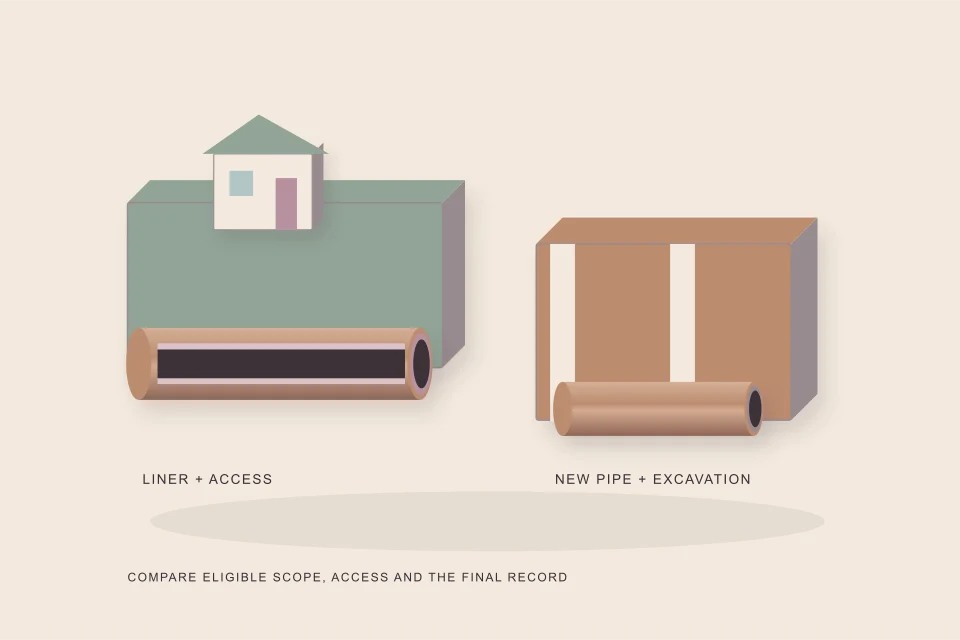
Is sewer relining worth it? A liner against new pipe
Is sewer relining worth it? What a liner gives you against new pipe, cost per year of design life, why lining quotes run high, the myths, and when to skip it.
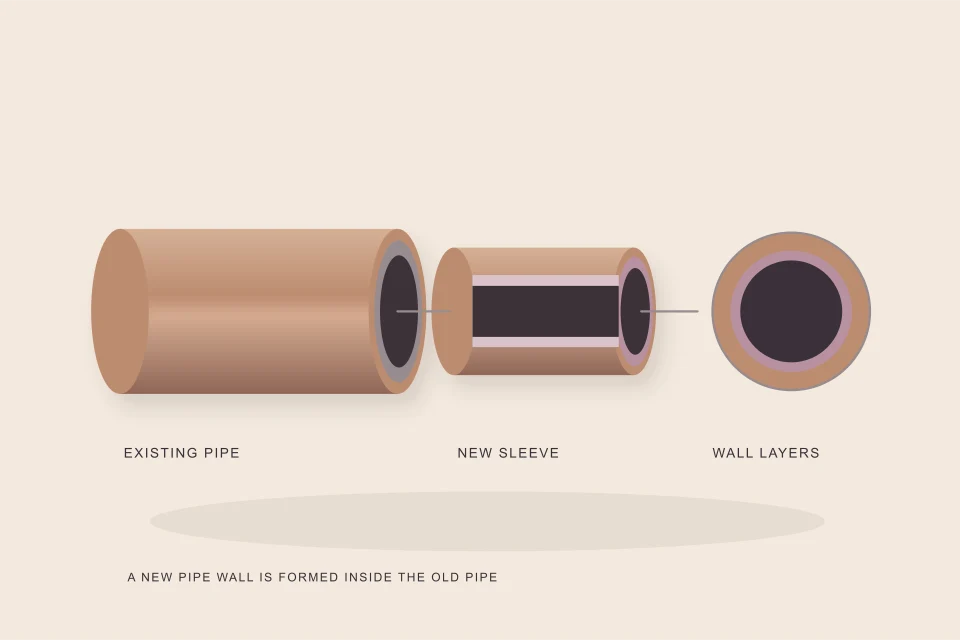
What is sewer relining? The cured-in-place pipe, explained
What sewer relining and cured-in-place pipe (CIPP) mean, what a liner is made of, where the method came from, the standards behind it and what it changes.
Connections
1 guides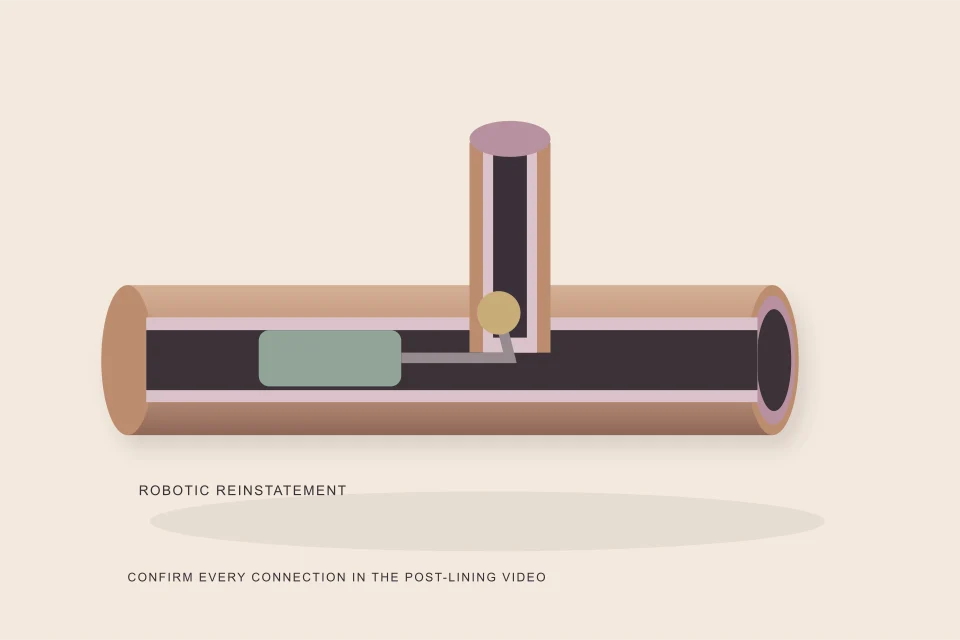
Engineering
1 guides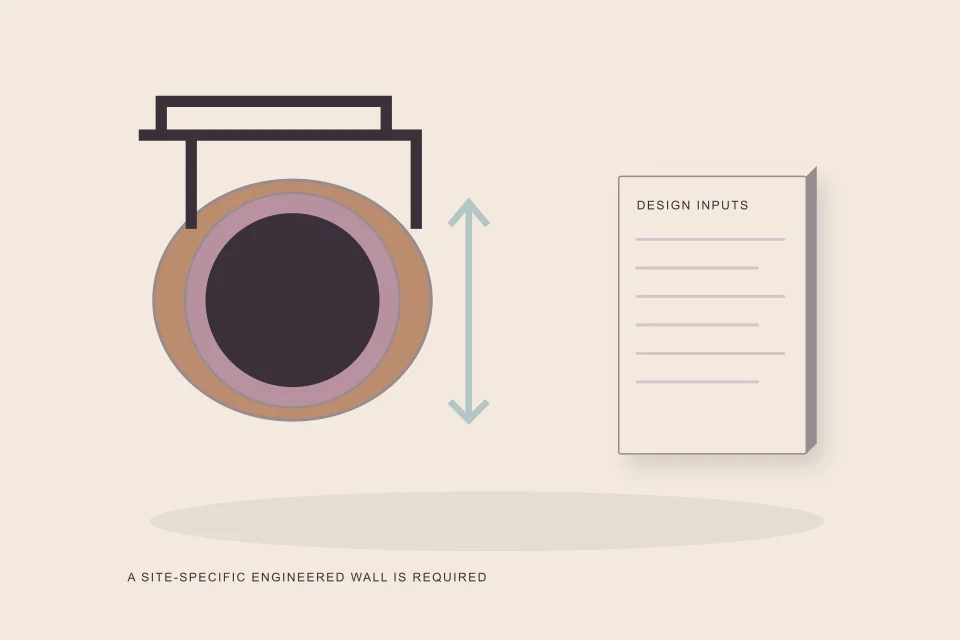
Materials
2 guides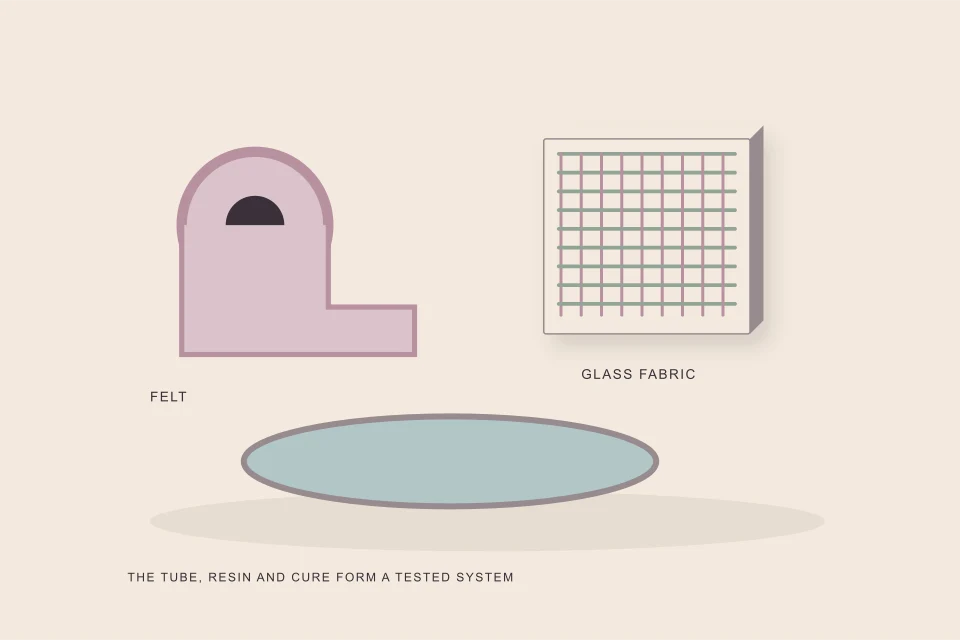
CIPP liner tubes: felt, glass fibre, membranes and bladders
The fabric tube inside a sewer liner: felt and glass-fibre types, coatings and membranes, preliners, calibration hoses and bladders, and what each changes.
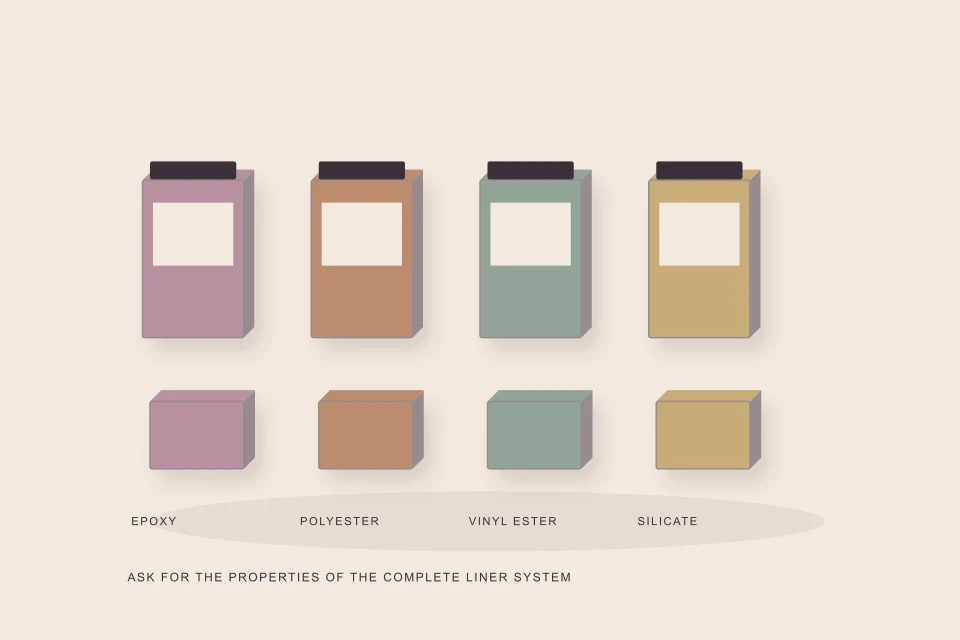
CIPP resins: epoxy, polyester, vinyl ester and silicate
The resins that harden a sewer liner: unsaturated polyester, vinyl ester, epoxy and silicate systems, styrene, UV resins, and what to ask about a resin.
Performance
2 guides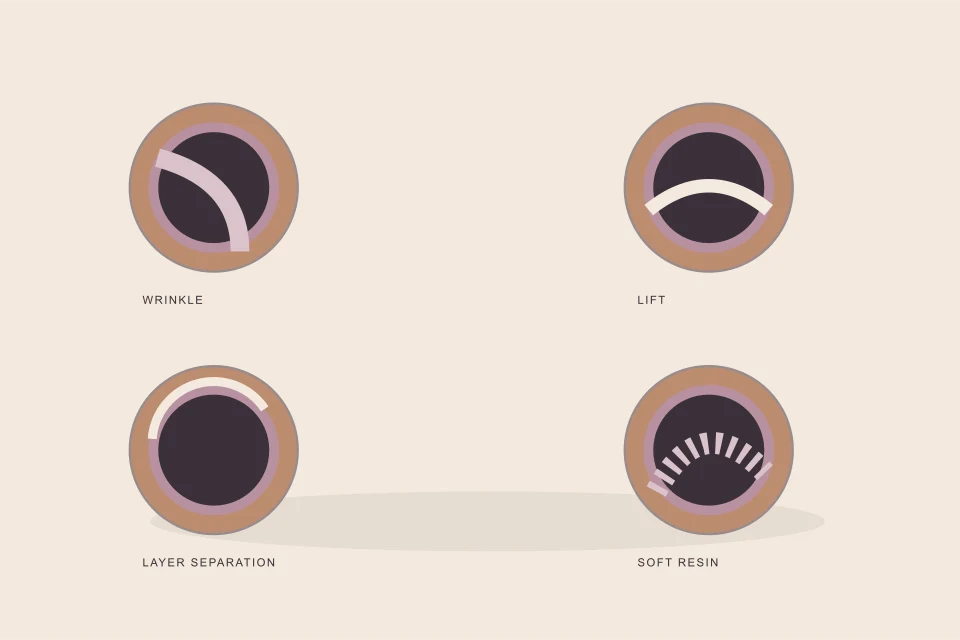
CIPP liner failures: wrinkles, lifts, delamination and soft resin
The defects a relined sewer can have: wrinkles and fins, lifts, delamination, uncured resin, dry spots, unsealed ends and bad cuts, with causes and fixes.
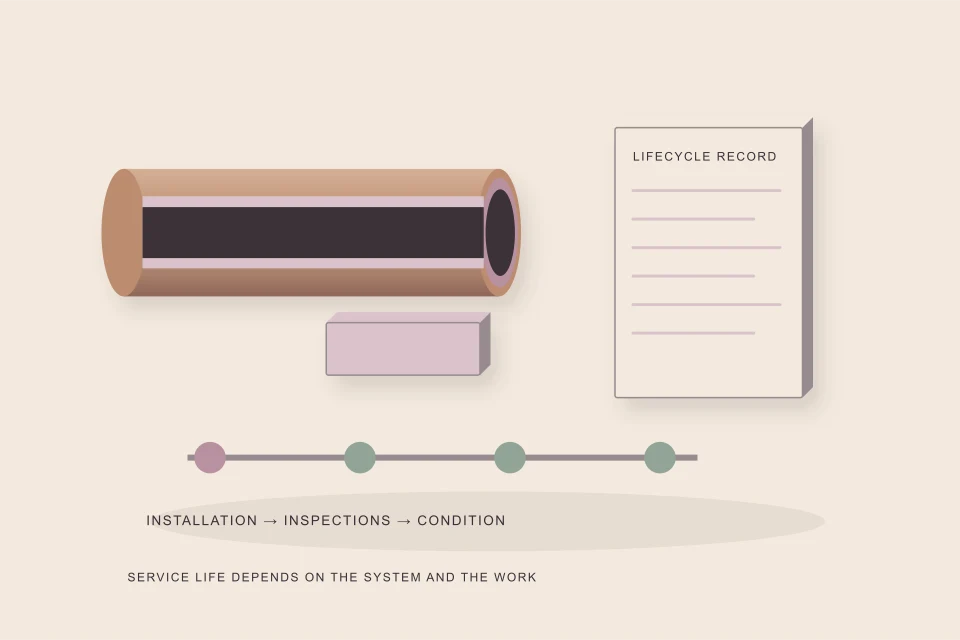
How long does sewer relining last?
How long a CIPP sewer liner lasts: the 50-year design life, the 1971 Hackney liner, creep and long-term properties, what shortens a liner’s life, and warranties.
Process
5 guides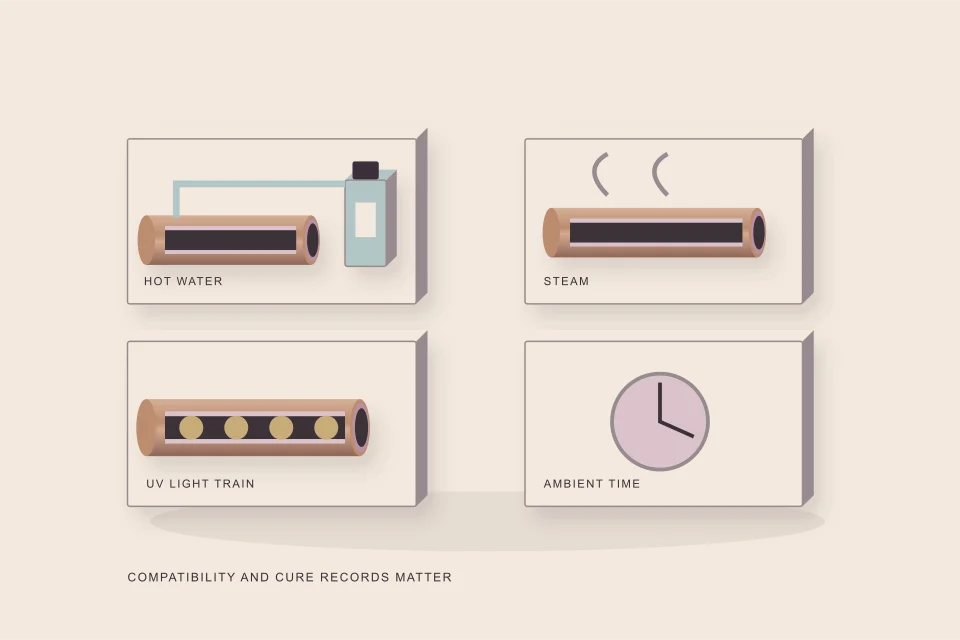
CIPP curing methods: hot water, steam, UV light and ambient
How a sewer liner is cured: circulated hot water, steam, UV lamp trains in glass-fibre liners, and ambient cure, with the records each should leave.
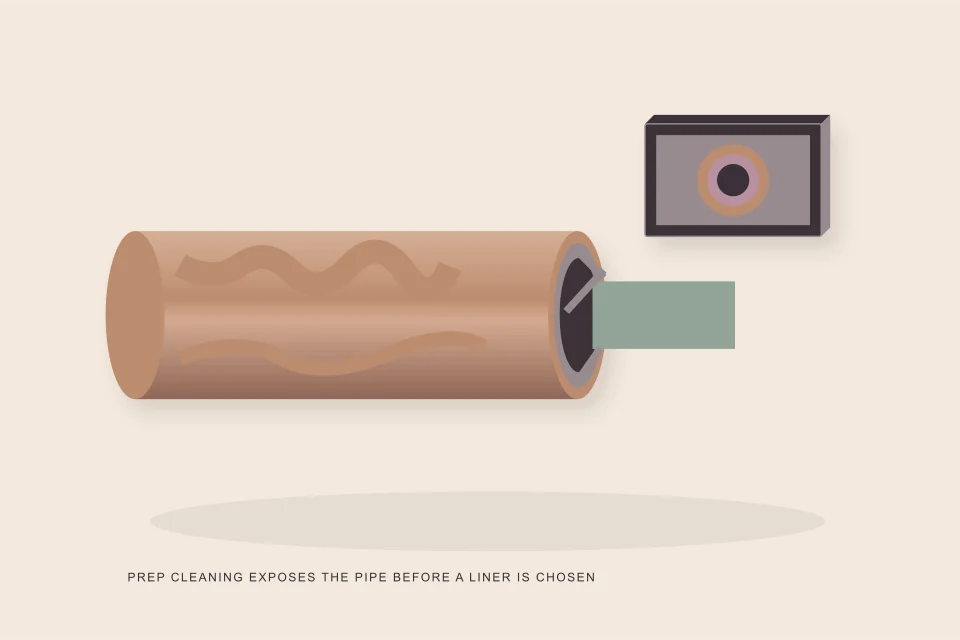
Cleaning and descaling a sewer before it is lined
How a sewer is prepared for a CIPP liner: jetting, root cutting, cast iron descaling, grinding protruding taps, flow control and the post-cleaning video.
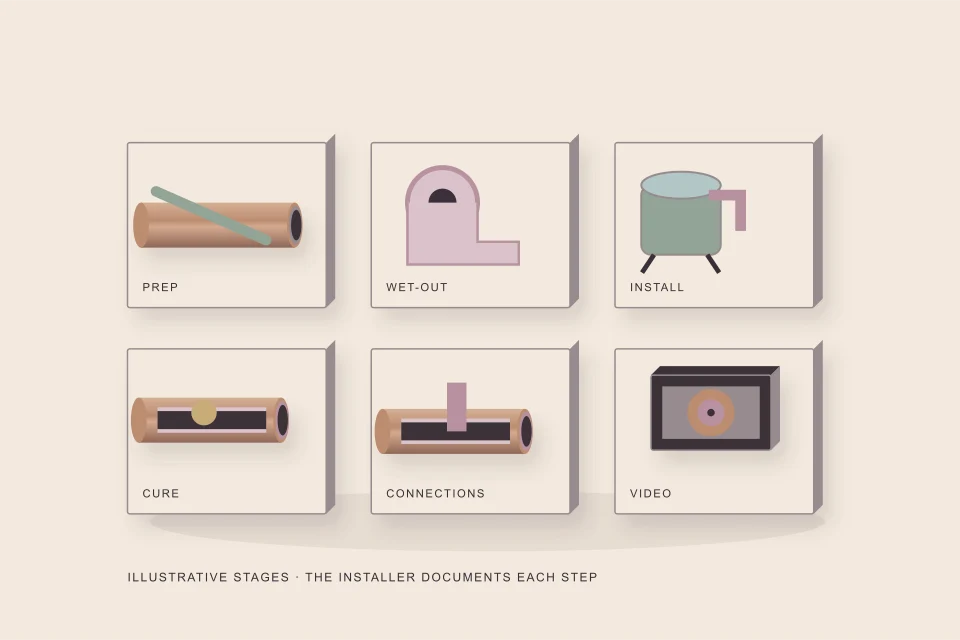
How sewer relining works, stage by stage
How sewer relining works from the first camera run to the final video: measuring, flow control, cleaning, wet-out, inversion, cure, reinstatement and records.
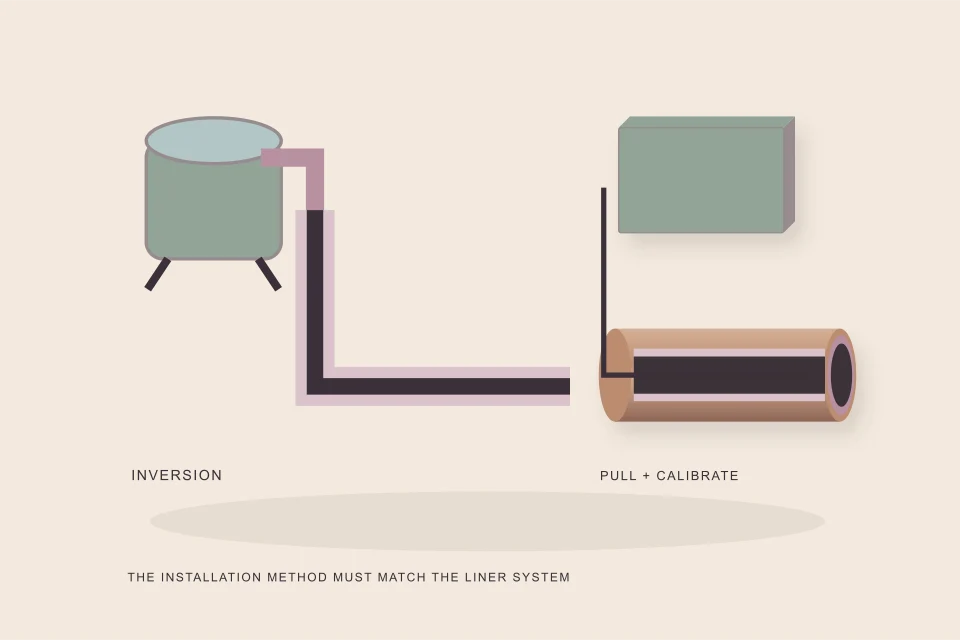
Inversion vs pull-in-place: how a liner gets into the pipe
The two ways a CIPP liner is installed: inversion by water or air pressure (ASTM F1216) and pull-in-place with a calibration hose (F1743, F2019), compared.
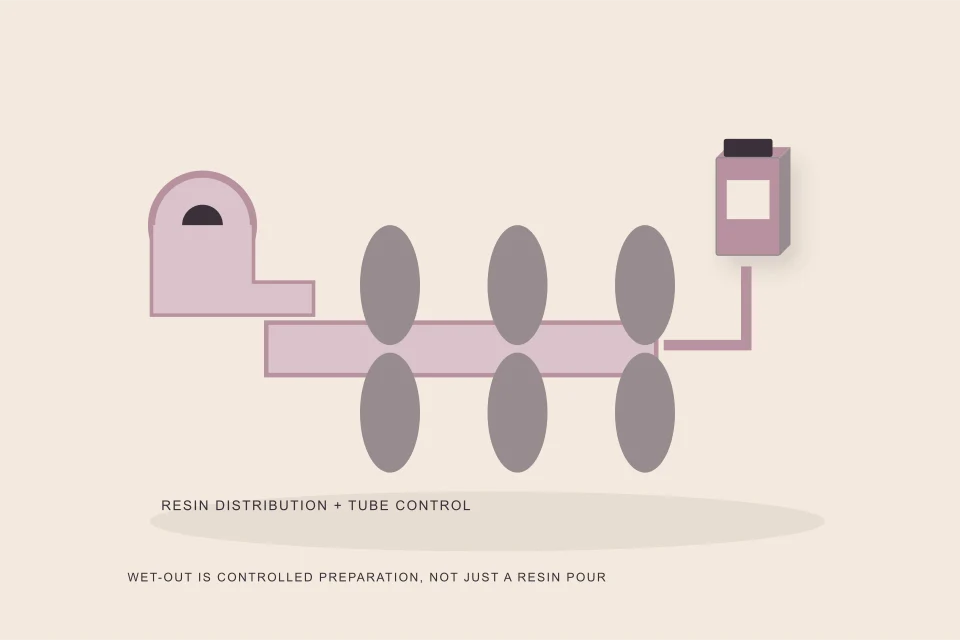
Wet-out and calibration: how a liner tube is saturated with resin
How a CIPP liner tube is wet out: resin volume, vacuum impregnation, calibration rollers, cold storage, plant or site wet-out, and the defects it causes.
Safety
1 guides
Tools, costs & reference
6 pages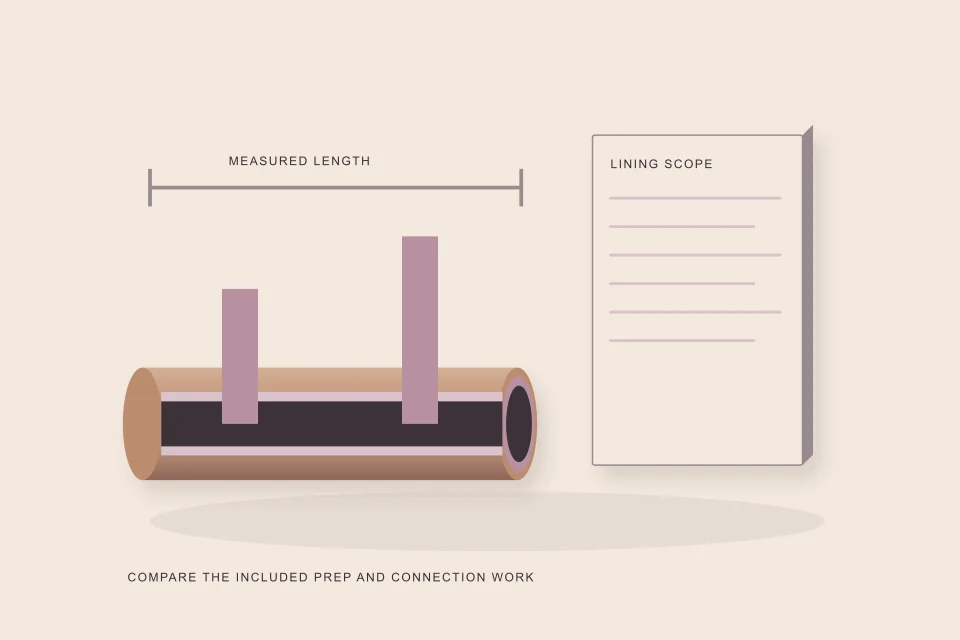
Sewer relining cost: what a CIPP liner typically quotes in 2026
Sewer relining cost in Canada for 2026: full CIPP liners per metre and per foot, cleaning, reinstatement, access, sectional liners and worked examples.
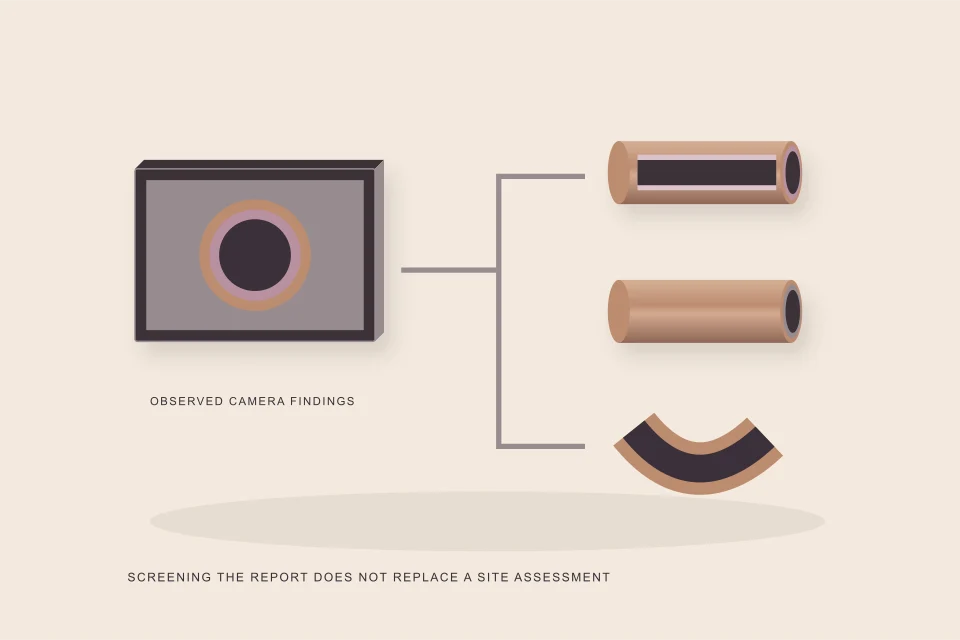
Can my sewer be relined? Screen your camera report for a liner
Answer nine questions from your sewer camera report to see whether a CIPP liner can go in, the design condition, the prep it needs and what to ask.
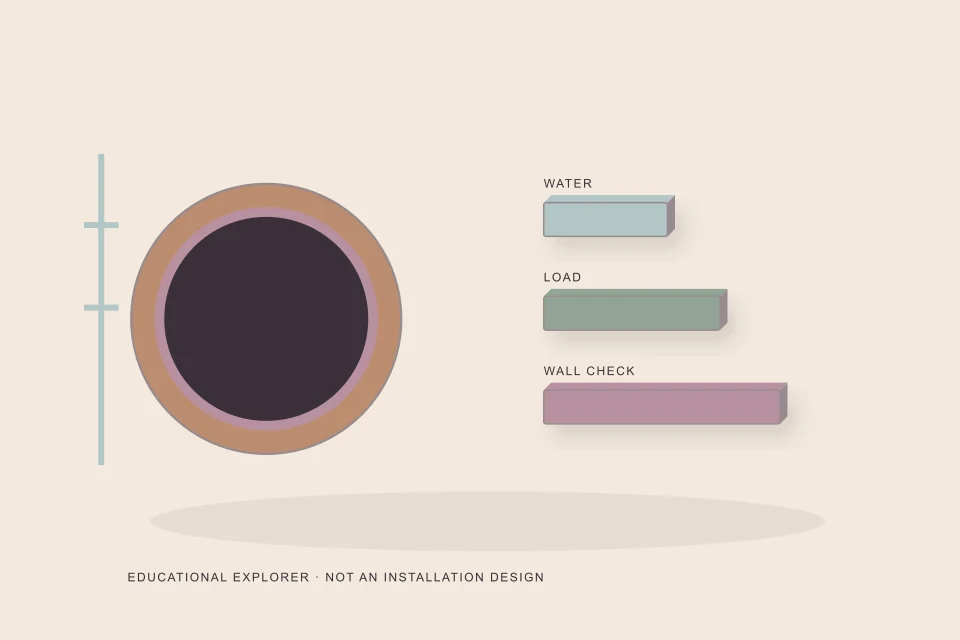
Liner Thickness Explorer: what the ASTM F1216 equations ask of a liner
See how groundwater, depth, ovality, resin stiffness and host condition set CIPP liner thickness, using the published ASTM F1216 appendix design equations.
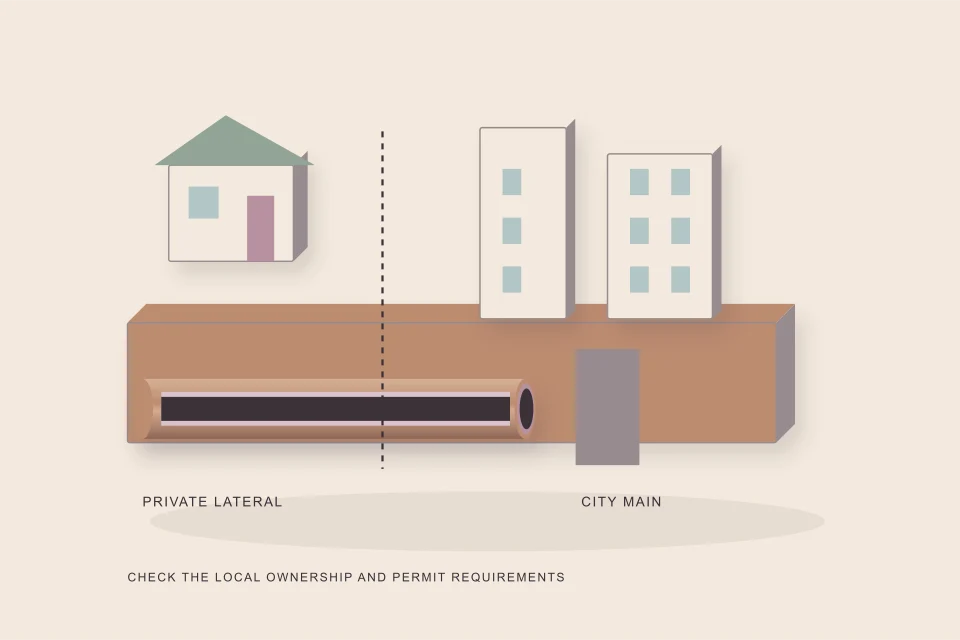
Sewer relining across Canada: city programs, ownership and winter
How sewer relining works across Canada: Calgary, Edmonton, Winnipeg and Toronto lining programs, who owns which part of the line, permits, and winter cures.
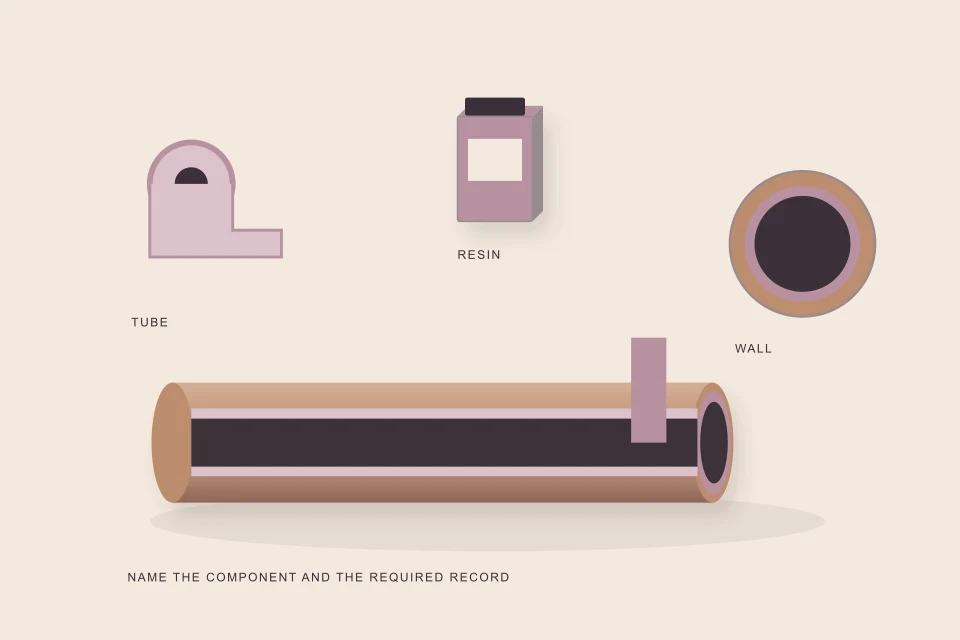
Sewer relining glossary: CIPP terms, defined plainly
Plain definitions of the terms in sewer relining quotes and reports: CIPP, wet-out, inversion, calibration hose, ovality, DR, reinstatement, delamination and more.
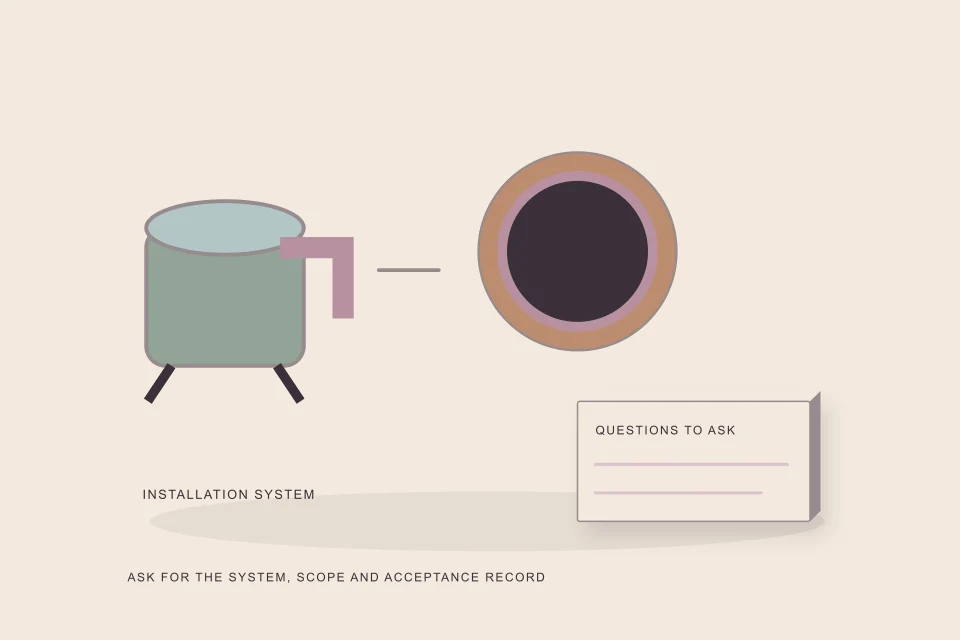
Sewer relining FAQ: straight answers about CIPP liners
Short, sourced answers to common sewer relining questions: how it works, which pipes qualify, resins, cures, thickness, smell, lifespan, cost and DIY kits.
Describe the problem once. Get a straight answer.
Send the symptoms and anything you already know — age of the house, what a camera found, what you have been quoted. The HAUSE Sewer desk replies with next steps and, where available, a local contractor for the job.
Sewage backing up right now? Stop using water, keep people away from the water, and do not touch electrical equipment near it.