Sewer relining forms a new jointless pipe inside an old one from a resin-saturated tube cured in place. It suits round, passable pipe with roots, cracks or leaking joints, not collapses or bellies. As 2026 planning estimates, a full liner on a 15 to 25 m lateral quotes $9,000 to $28,000. The questions below cover the method, materials, design, odour, lifespan and cost.
- Every answer links to the guide or tool that covers it in depth.
- Figures are 2026 planning ranges in CAD; design values follow the Iowa SUDAS manual.
- HAUSE is an information and quote-request network, not a contractor.
01 /About these answers
These are the questions people ask most about relining, answered in a sentence or two each. They are grouped roughly from how the method works, through materials and design, to living with a liner and paying for one. Each answer is meant to be correct on its own; follow the links for the reasoning and the sources behind it.
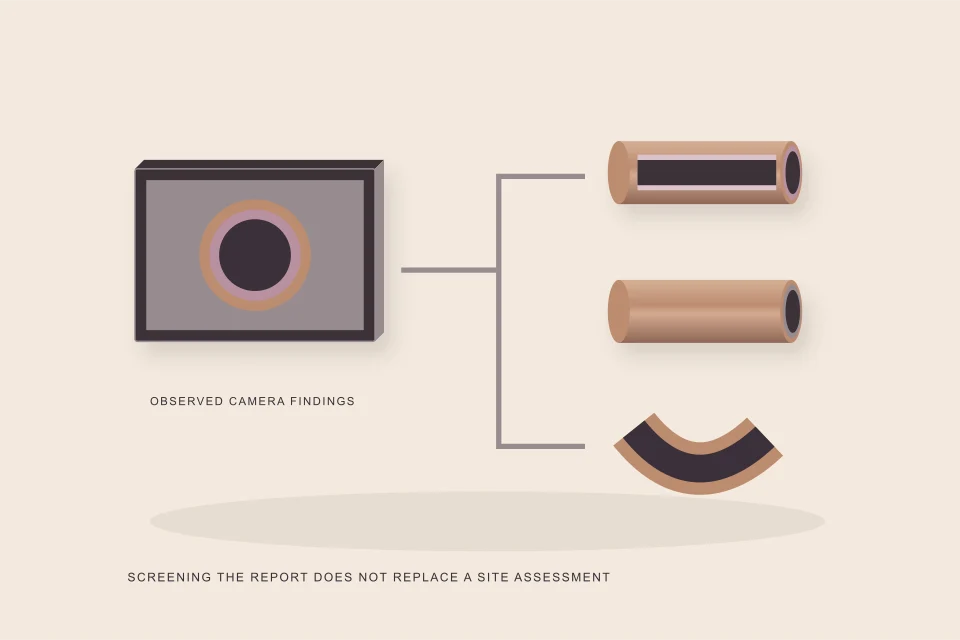
If your question is about a specific camera report, start with the Can My Sewer Be Relined? screen. For design questions, the Liner Thickness Explorer shows what the published equations give for your inputs. Definitions of trade terms are in the glossary.
A few themes run through almost every answer. A liner can only be as good as the pipe it is cured in, so the camera record and the cleaning come first. The design condition, partially or fully deteriorated, sets the wall the liner needs. The resin decides the cure and the odour. And the final video is the proof that the whole liner, its ends and every reopened branch are sound. Keep those four in mind and most lining questions answer themselves; when they do not, the guides linked from each answer go deeper, and the HAUSE Sewer desk can read your own report.
FAQAll questions
What is sewer relining in one sentence?
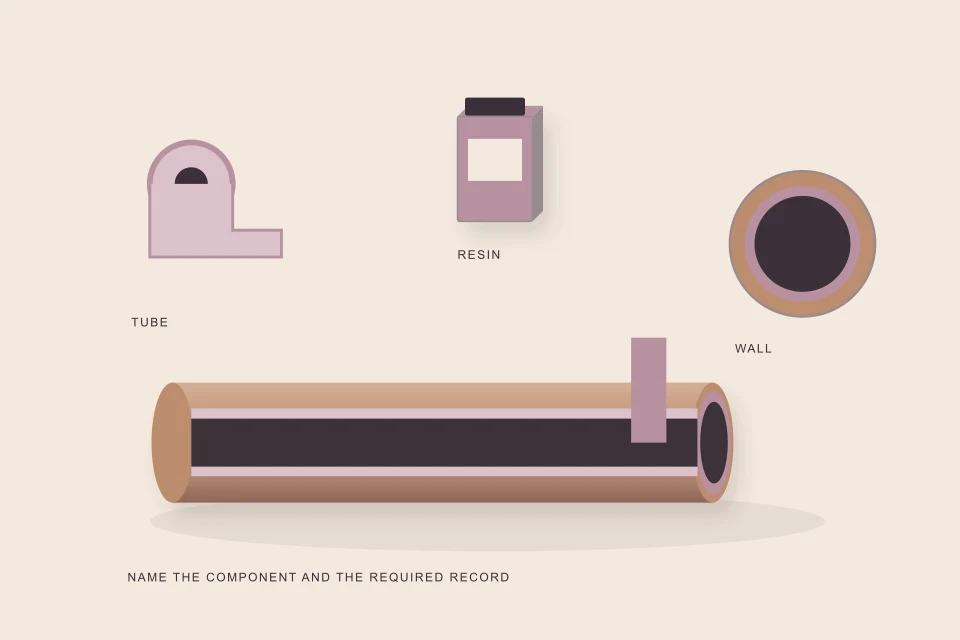
Forming a new pipe inside an old sewer by curing a resin-saturated fabric tube against its inside wall. See what sewer relining is.
How is a sewer liner different from a new pipe?
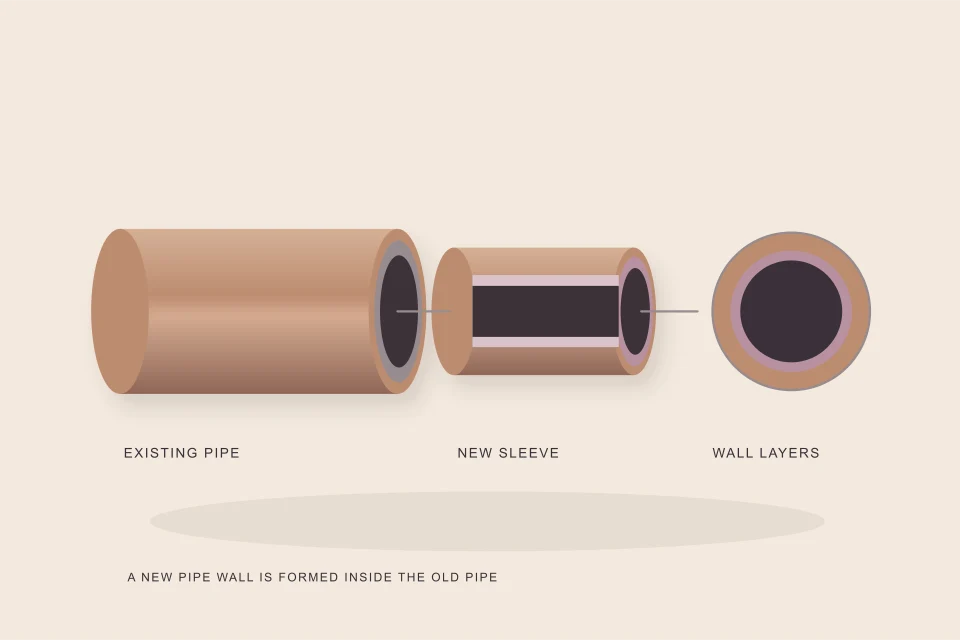
It is a new pipe wall, but it follows the old pipe’s route and grade exactly and is slightly smaller in bore.
Which pipe materials can be relined?
Clay, cast iron, concrete and plastic pipe can all be lined when round and passable. Bituminous fibre is lined only where it has kept its shape.
What stops a sewer from being relined?
A collapse, a belly holding water, or an offset the camera cannot pass. Those spots are dug and repaired first.
Can a sewer under a basement floor be relined?
Often, from a cleanout, if that section qualifies on camera like the rest. It can avoid breaking the slab.
Can a 3-inch drain be relined?
Yes. The main ASTM lining practices cover pipe from 2 inches up; confirm the installer has tubes and cutters for small sizes.
What is the difference between inversion and pull-in-place?
Inversion turns the tube inside out along the pipe under pressure; pull-in-place winches it in flat and then inflates it.
What cures the resin in a sewer liner?
Circulated hot water, steam, a UV lamp train in a glass-fibre liner, or time at ground temperature for ambient-cure resins.
Which resins are used for relining?
The US EPA names unsaturated polyester, vinyl ester and epoxy as the common ones; silicate systems are used for short liners and connections.
How thick is a sewer liner designed to be?
Thick enough for its design condition. The published equations often give only a millimetre or two for a 100 mm lateral; installed tubes are commonly thicker.
What does partially deteriorated mean on a lining design?
The old pipe still carries the soil, with cracks and no more than 10% distortion, so the liner is designed mainly to resist groundwater.
How much bore does a liner take away?
Twice the wall thickness. For a 100 mm pipe with a 1 to 3 mm wall, roughly 4 to 12% of the flow area.
Why is the sewer filmed before and after lining?
Before, to size the liner and record every connection; after cleaning, to prove the wall is clean; at the end, to prove the liner and reinstatements are sound.
Is the smell from lining harmful to neighbours?
Toronto’s public health guidance says styrene odour is detectable far below harmful levels and usually clears within one to two days.
What should I do with my drains before the street is lined?
Fill every trap with water, especially floor drains, and follow the city’s notice about not using water during the work.
How long should a CIPP liner last?
The Iowa SUDAS manual gives 50 years as the generally accepted service life, for a liner that was designed, cured and finished properly.
What are the most common liner defects?
Wrinkles and fins, lifts, delamination, soft uncured resin, dry spots, unsealed ends and poorly cut connections.
Can tree roots get into a relined sewer?
Not through a sound lined length, which has no joints. Unsealed ends and poorly finished connections are where roots can still find a way.
How much does relining a sewer lateral cost?
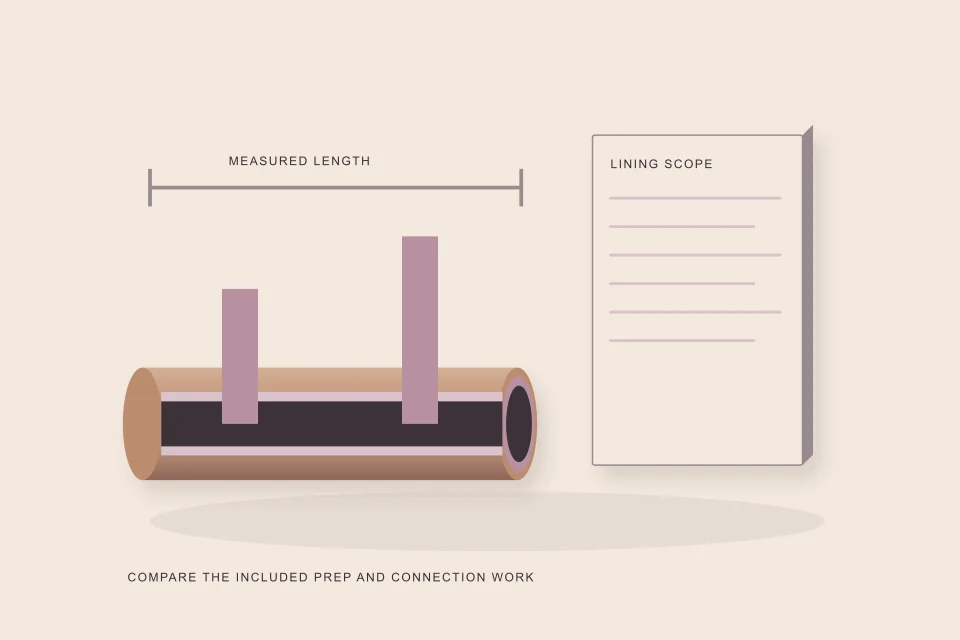
As a 2026 planning estimate, $9,000 to $28,000 for a full liner on a 15 to 25 m lateral, or about $500 to $1,200 per metre for the liner after setup.
Are DIY pipe relining kits suitable for a sewer lateral?
Rarely. A sound liner needs cleaning to bare wall, measured resin, controlled cure and reinstatement cutting, plus any permit. Kits sold for small patches are not a substitute for a designed liner.
Does home insurance pay for sewer relining?
It depends on the policy and the cause. Wear and tear is often excluded; ask your insurer or broker before work starts, and keep the camera video.
Does HAUSE do sewer relining?
No. HAUSE is an independent information and quote-request network. It can read your camera report or quote and pass your request to contractors.