Sewer relining, from the liner up.
How a resin-soaked tube becomes a new pipe inside an old sewer: what it is made of, how it is cured and designed, what goes wrong, and when a line cannot be lined.
Sewer relining, or cured-in-place pipe (CIPP) lining, renews a buried sewer from the inside. A flexible tube of felt or glass fibre is saturated with resin, inverted or pulled into the cleaned host pipe, pressed against its wall and hardened with hot water, steam, UV light or time. The result is a jointless pipe inside the old one, designed for the loads it must carry.
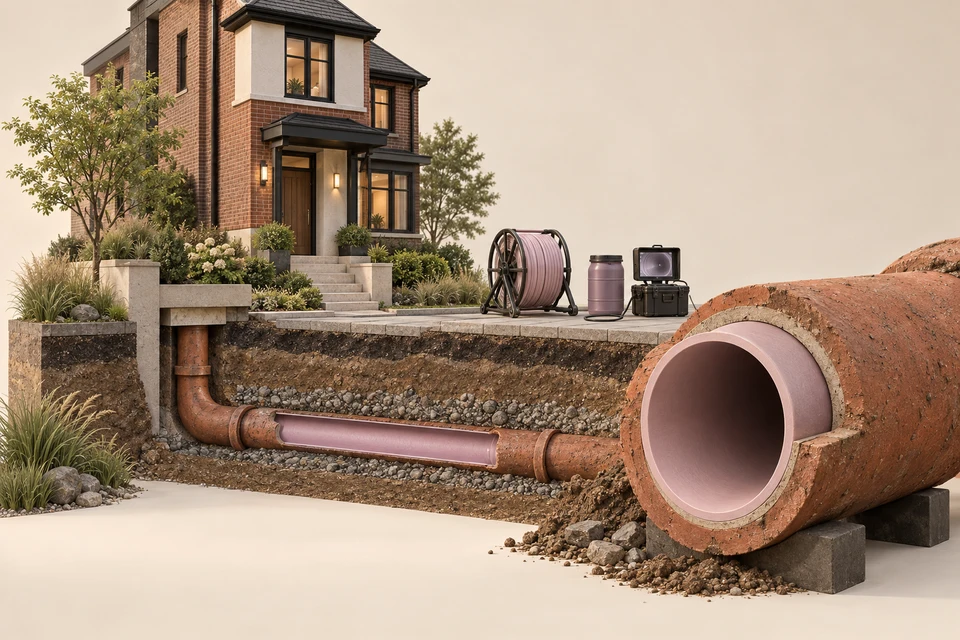
Build a liner, put it in an old lateral and cure it
A clay lateral runs from a basement cleanout to the street, with roots, a crack and one branch connection. Choose the tube, the resin, the cure and how the tube goes in, set the groundwater and ovality, then play the job from cleaning to the final video.
What the model shows, in words
The tube and the standard travel together
Each combination of tube, resin, cure and installation maps to a published practice. A felt tube turned inside out under water or air pressure is the ASTM F1216 method, a felt tube winched in and then inflated is ASTM F1743, and a glass-fibre tube pulled in and cured by a train of ultraviolet lamps is ASTM F2019. When a pairing falls outside those descriptions, the lab raises it as a question to ask the installer rather than calling it wrong.
Wall thickness is calculated, not guessed
The wall readout uses the same partially deteriorated buckling equation as the Liner Thickness Explorer, for a 100 mm lateral two metres down with a 300,000 psi resin. Raise the water above the pipe or make it more oval and the millimetres climb, the dimension ratio falls and the bore left for flow shrinks a little. With no groundwater at all, the liner is simply held to a dimension ratio of 100.
Inverting and pulling behave differently at joints
When the tube inverts, the head of water or air driving it squeezes some resin outward into open joints and cracks, which is why the standard adds five to ten percent extra resin. A tube pulled in keeps its outer membrane on the outside, which limits that migration. The lab shows the difference as small resin plugs forming at the crack and the root-damaged joint.
Styrene is a property of the resin, not the cure
Polyester and vinyl ester resins for lining are commonly thinned with styrene, and Toronto and Calgary both warn residents of a temporary plastic or glue smell during nearby lining. The odour flag follows the resin you pick. Epoxy is a different chemistry, and silicate systems are sold as styrene-free. Filling floor-drain and fixture traps with water beforehand is the step both cities describe.
Reopening the branch finishes the job
Once the resin hardens, the liner covers the branch connection like a drum skin with a slight dimple. A remote cutter travels in from the cleanout and grinds the opening back out, and the final video should show a clean, flush cut with no lip. The picture is illustrative: stage lengths are drawn for clarity, and real cure times depend on the resin system and the ground temperature.
Where are you with relining?
Pick the closest match. Each path goes to the guide that answers it in full.
Can My Sewer Be Relined?
This screen reads your camera findings the way a lining installer does. It stops at anything no liner can pass, such as a collapse, a belly or a blocking offset, sorts the pipe into the partially or fully deteriorated condition used in ASTM F1216, lists the cleaning and descaling the line needs first, and turns bends, size changes and connections into questions for the installer.
How the Can My Sewer Be Relined? works →
Also freeLiner Thickness Explorer
See how groundwater, depth, ovality, resin stiffness and host condition set CIPP liner thickness, using the published ASTM F1216 appendix design equations.
Can My Sewer Be Relined?
Read these first
How relining works
Every stage from measuring and cleaning to the cure, the reinstatement and the final video.
CornerstoneTubes, resins and cures
Felt or glass fibre, epoxy or polyester, hot water, steam, UV or ambient, and what each choice changes.
CornerstoneLiner thickness
The ASTM F1216 design conditions and the equations behind a liner’s wall.
CornerstoneHow long it lasts
What a service-life claim rests on, and the defects that shorten it.
What it looks like down there
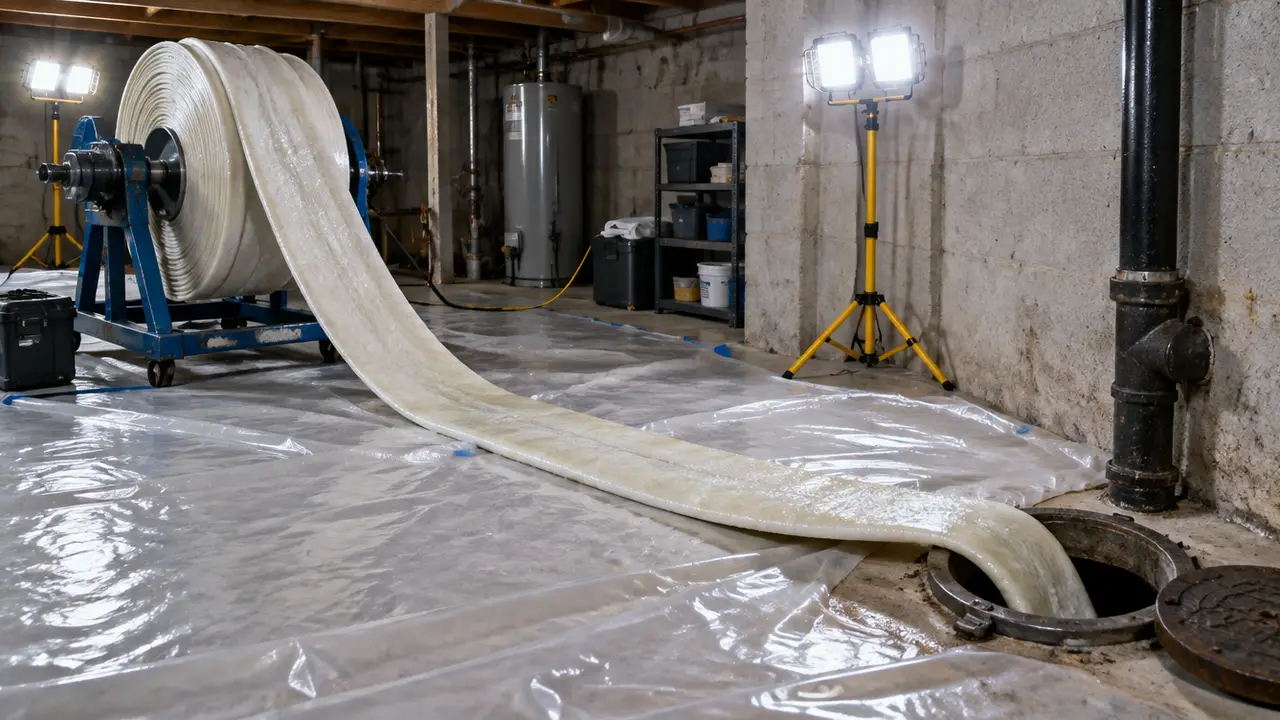
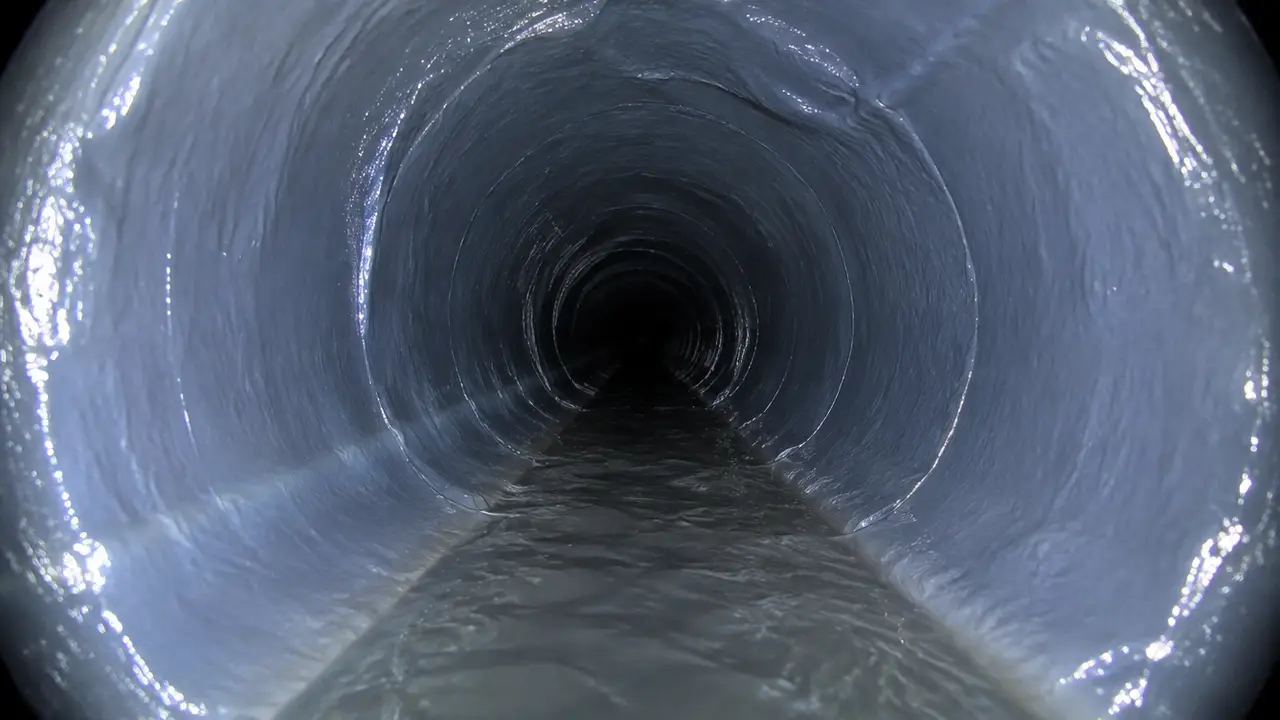
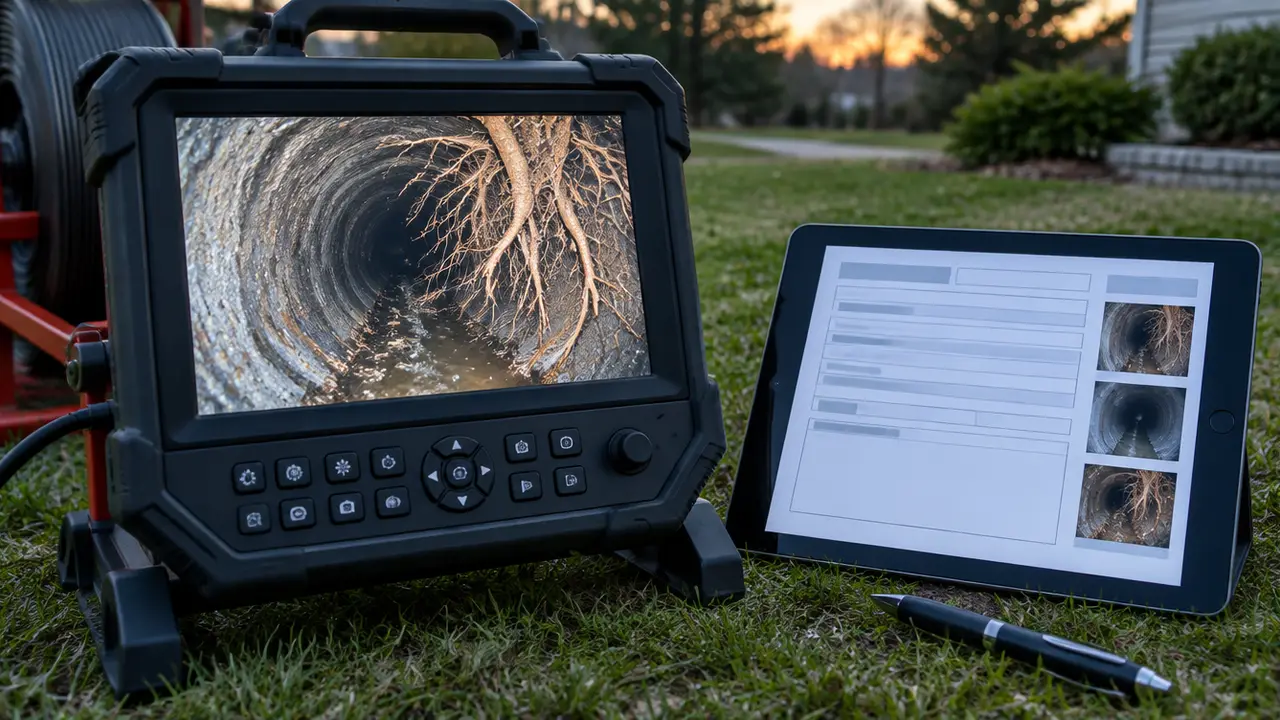
Illustrations of what this work involves and what a camera or a trained eye picks up. Every guide on SewerRelining.ca carries more like these.
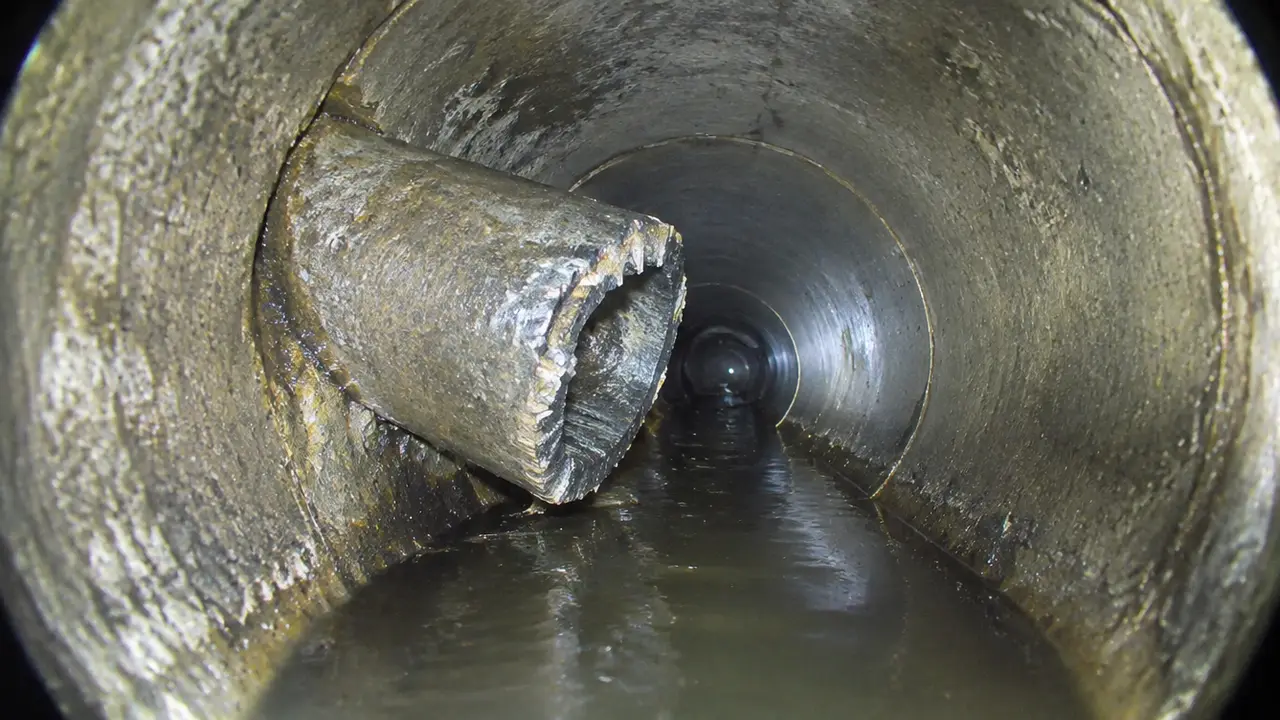
01 /What is a sewer liner made of?
A sewer liner starts as a flexible tube and a separate liquid resin. The tube is usually needle-punched polyester felt or a woven or stitched glass-fibre fabric, with a plastic coating or membrane on one face. The resin is a thermosetting plastic: unsaturated polyester, vinyl ester and epoxy are the three the US EPA names for lining, and ASTM D5813, the specification for CIPP sewer systems, classifies liners by resin grade. Once the resin is cured inside the host pipe, tube and resin act together as one composite pipe wall.
Each choice changes something. Felt is absorbent and flexible and follows the host pipe closely; glass fibre is stiffer and is the reinforcement named in the ultraviolet-cure practice, ASTM F2019. Polyester is common and economical, vinyl ester and epoxy bring different chemical resistance and handling, and epoxy is not styrene-based. The details are in CIPP liner tubes and CIPP resins, and the whole method is introduced in what sewer relining is.
02 /How does a liner go in and harden?
There are two ways in. Under ASTM F1216 the wet tube is inverted: one end is fixed at the access point and water or air pressure turns it inside out along the pipe, pressing the resin face onto the wall. Under ASTM F1743 it is pulled in flat with a winch and then inflated with a calibration hose. Glass-fibre liners for ultraviolet curing are pulled in and inflated with air under ASTM F2019. The trade-offs are in inversion vs pull-in-place.
- Measure and clean
A recorded camera run sets length, diameter and every connection; roots, scale and grease come out so the tube can seat.
- Wet out
The tube is vacuum-impregnated with a measured charge of resin and calibrated through rollers.
- Install
Inverted by water or air pressure, or pulled in and inflated.
- Cure
Circulated hot water, steam, a UV lamp train, or ambient temperature hardens the resin under pressure.
- Reinstate and record
A remote cutter reopens each branch, the ends are finished, and the whole liner goes on video.
Each stage has its own guide: cleaning and descaling before lining, wet-out and calibration, CIPP curing methods and reinstating connections after lining. The sequence end to end is in how sewer relining works.
03 /How is a liner’s thickness decided?
By calculation, from the condition of the old pipe and the loads around it. ASTM F1216 recognises two host conditions. A partially deteriorated pipe still carries the soil, so the liner is designed to resist groundwater pressure without buckling. A fully deteriorated pipe does not, so the liner carries water, soil and traffic by itself. Ovality, depth, the resin’s long-term stiffness and a factor of safety all enter the equations.
The Liner Thickness Explorer runs those published equations, and reproduces the worked examples in the Iowa SUDAS design manual, so you can see which input moves the answer. Before any of that, the Can My Sewer Be Relined? screen checks your camera report for the things no liner can pass: a collapse, a belly holding water, or an offset the camera cannot get by.
04 /How long does relining last, and what does it cost?
The Iowa SUDAS manual describes a service life of 50 years as generally accepted for a cured-in-place liner. That figure assumes a liner that was designed for its loads, fully cured, tight to a clean wall and properly finished at its ends and connections. The defects that undercut it, from wrinkles and lifts to soft uncured resin, are set out in CIPP liner failures, and the evidence behind lifespan claims in how long sewer relining lasts.
As 2026 planning estimates in CAD, a full-length liner on a 15 to 25 m residential lateral typically quotes $9,000 to $28,000, or about $500 to $1,200 per metre once setup, cleaning and connections are added. The sewer relining cost page breaks a quote into its lines, and is sewer relining worth it weighs a liner against new pipe.
05 /Who is behind SewerRelining.ca?
SewerRelining.ca is part of the HAUSE Sewer network, an independent information and quote-request service. HAUSE is not a contractor and does not install liners. The guides draw on published standards and public-agency sources, including the ASTM lining practices, the Iowa SUDAS design manual, the US EPA and NIOSH, and Canadian municipal guidance, and they label estimates and simplified models as such. How cities from Calgary to Toronto handle lining is on the Across Canada page.
Whether a liner or a dig is the right repair for a particular fault is the lane of sister site TrenchlessSewerRepair.ca; bursting in new pipe is covered by PipeBursting.ca, and every trenchless method side by side by TrenchlessSewer.ca. When you have a camera report or a lining quote, send it to the HAUSE Sewer desk and it will come back with next steps. Terms are defined in the glossary and short answers are in the relining FAQ.
Every guide on SewerRelining.ca
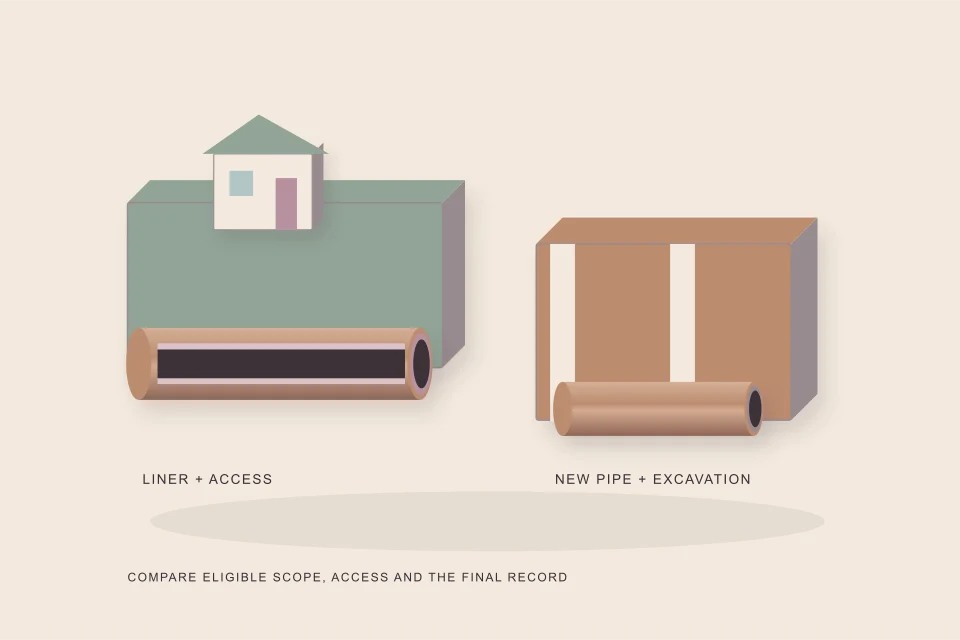
Is sewer relining worth it? A liner against new pipe
Is sewer relining worth it? What a liner gives you against new pipe, cost per year of design life, why lining quotes run high, the myths, and when to skip it.
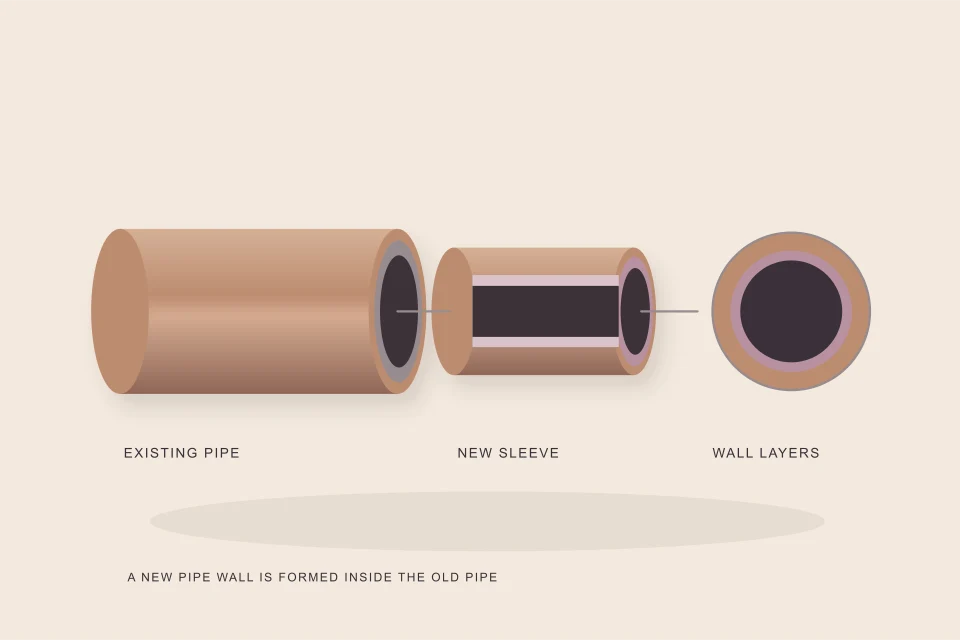
What is sewer relining? The cured-in-place pipe, explained
What sewer relining and cured-in-place pipe (CIPP) mean, what a liner is made of, where the method came from, the standards behind it and what it changes.
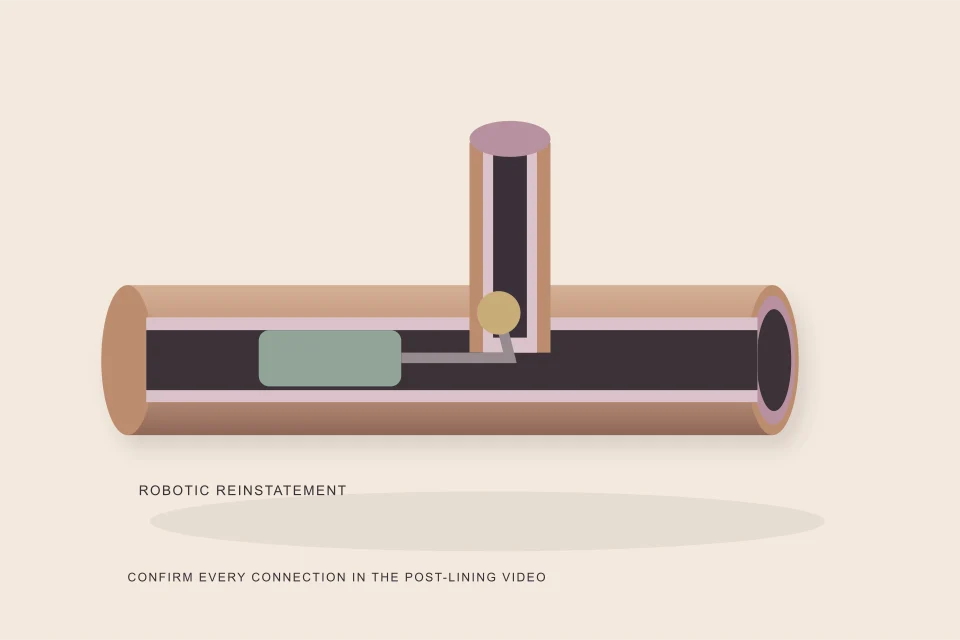
Reinstating connections after lining: cutters, cut quality and seals
How branch connections are reopened inside a cured sewer liner: locating them, robotic cutters, under-cuts and over-cuts, brushing, connection seals and the video.
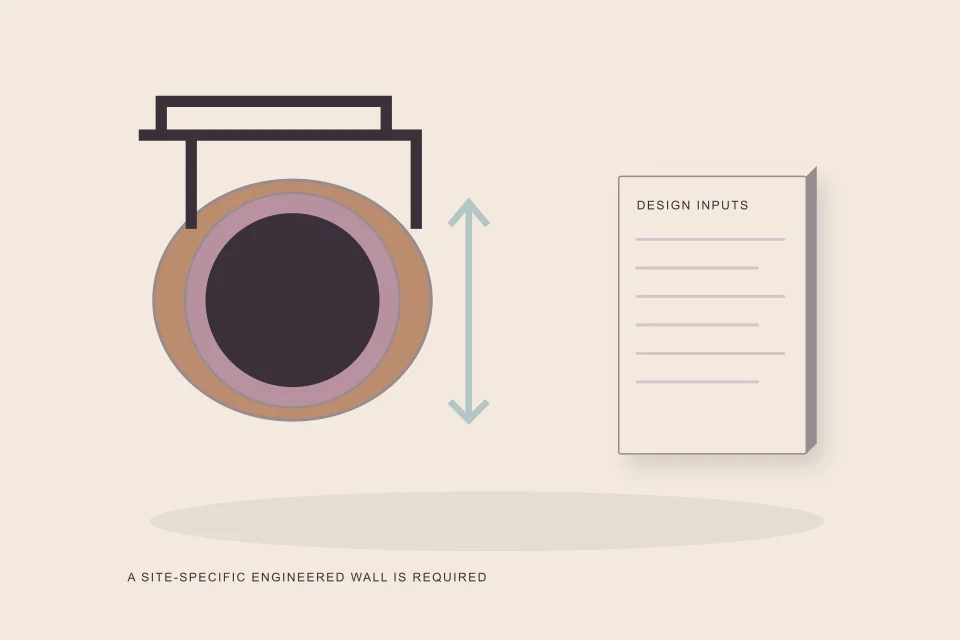
Liner thickness and ASTM F1216: how a liner wall is designed
How CIPP liner thickness is designed under ASTM F1216: partially vs fully deteriorated pipe, groundwater, ovality, soil and traffic loads, and testing.
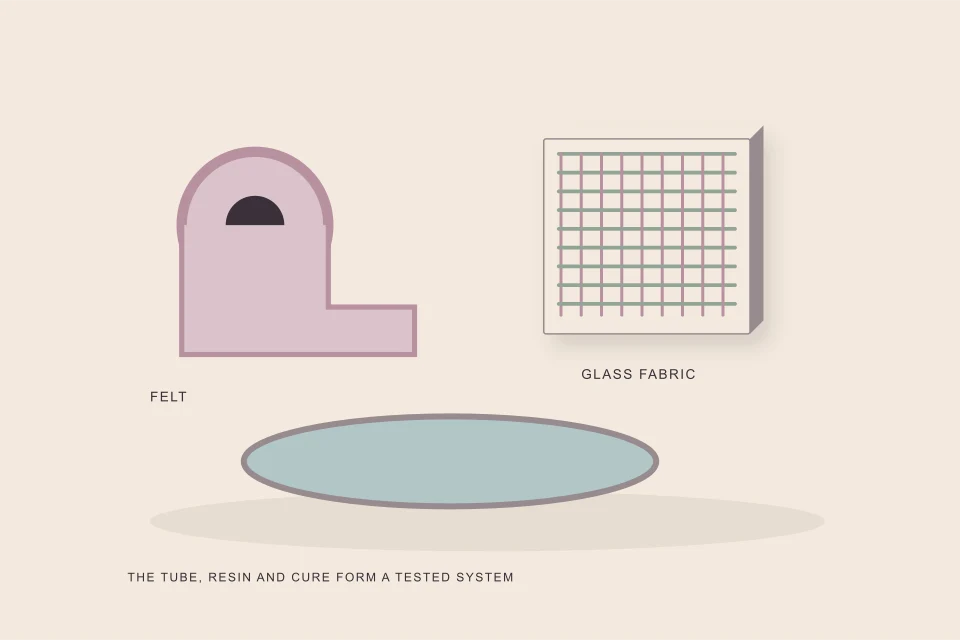
CIPP liner tubes: felt, glass fibre, membranes and bladders
The fabric tube inside a sewer liner: felt and glass-fibre types, coatings and membranes, preliners, calibration hoses and bladders, and what each changes.
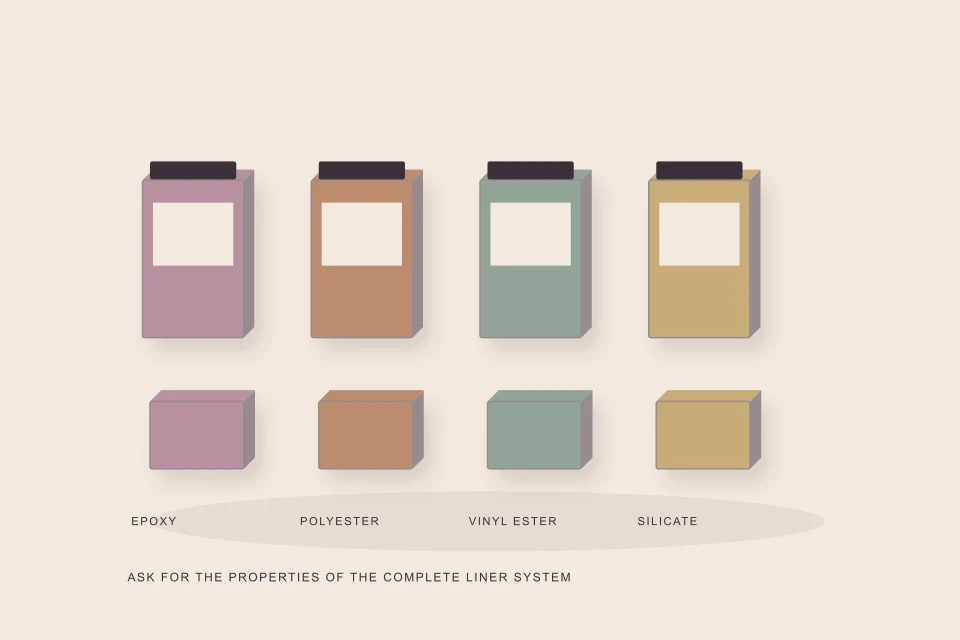
CIPP resins: epoxy, polyester, vinyl ester and silicate
The resins that harden a sewer liner: unsaturated polyester, vinyl ester, epoxy and silicate systems, styrene, UV resins, and what to ask about a resin.
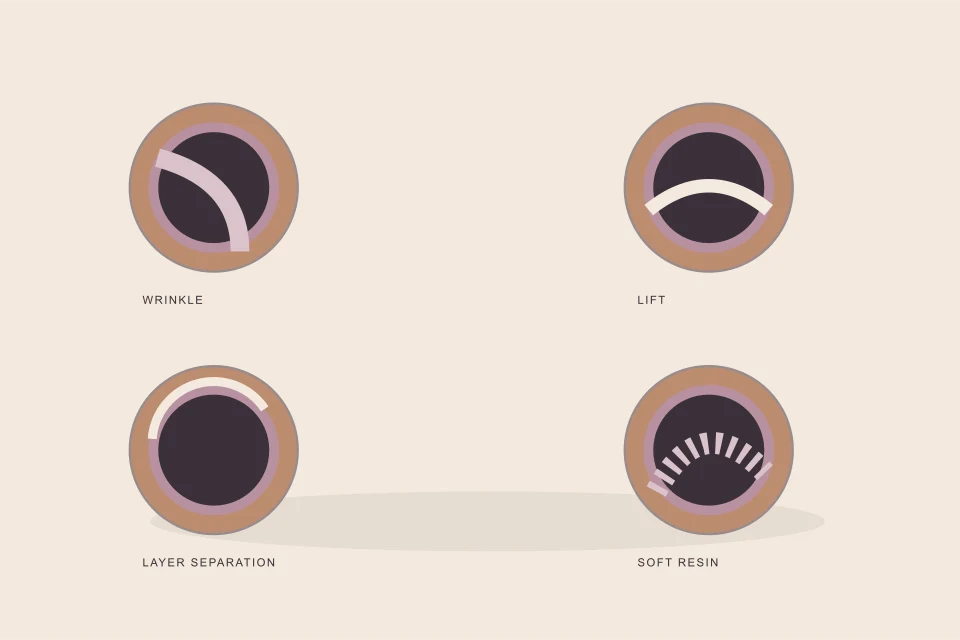
CIPP liner failures: wrinkles, lifts, delamination and soft resin
The defects a relined sewer can have: wrinkles and fins, lifts, delamination, uncured resin, dry spots, unsealed ends and bad cuts, with causes and fixes.
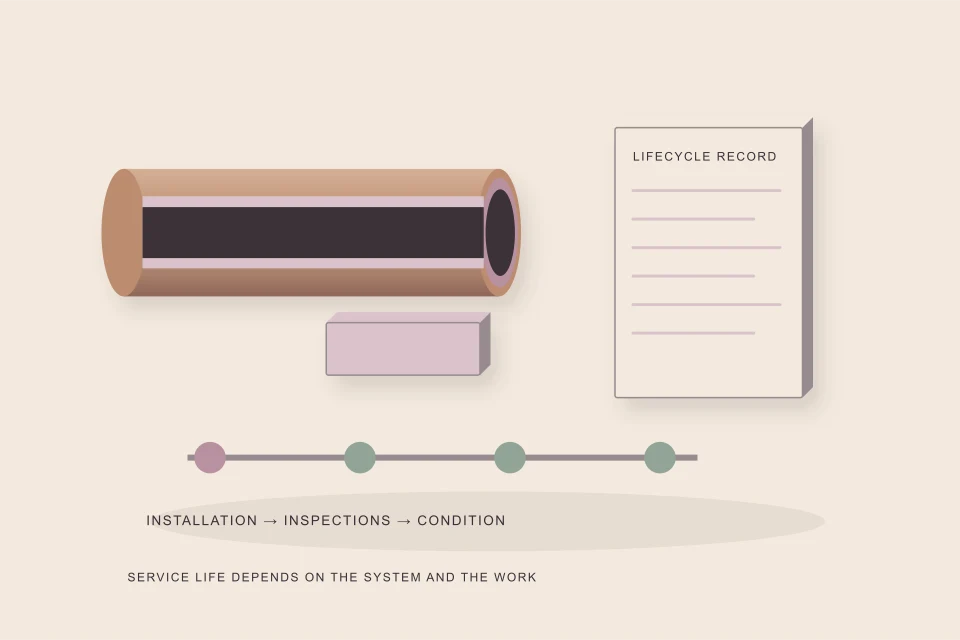
How long does sewer relining last?
How long a CIPP sewer liner lasts: the 50-year design life, the 1971 Hackney liner, creep and long-term properties, what shortens a liner’s life, and warranties.
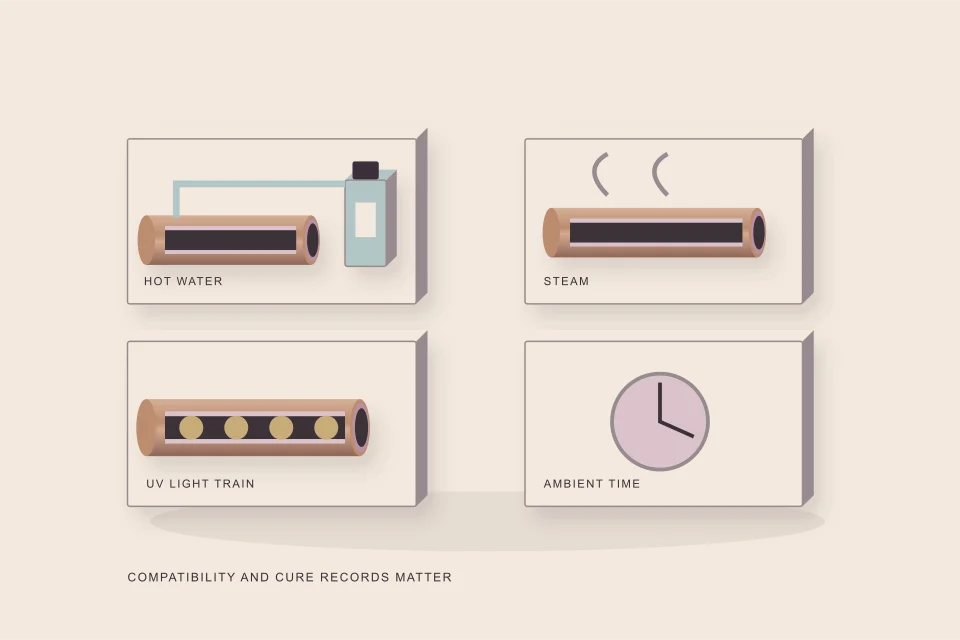
CIPP curing methods: hot water, steam, UV light and ambient
How a sewer liner is cured: circulated hot water, steam, UV lamp trains in glass-fibre liners, and ambient cure, with the records each should leave.
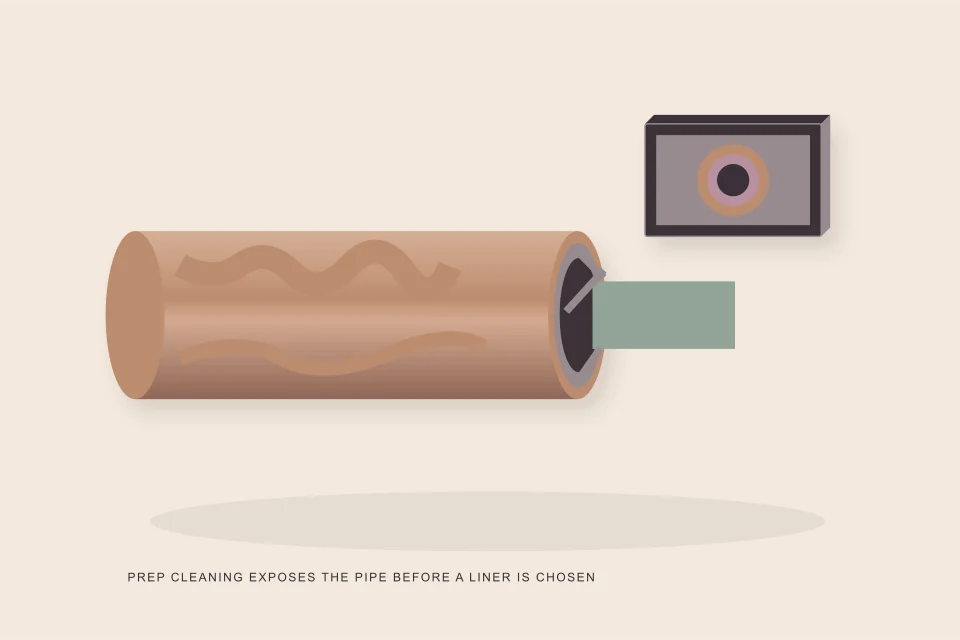
Cleaning and descaling a sewer before it is lined
How a sewer is prepared for a CIPP liner: jetting, root cutting, cast iron descaling, grinding protruding taps, flow control and the post-cleaning video.
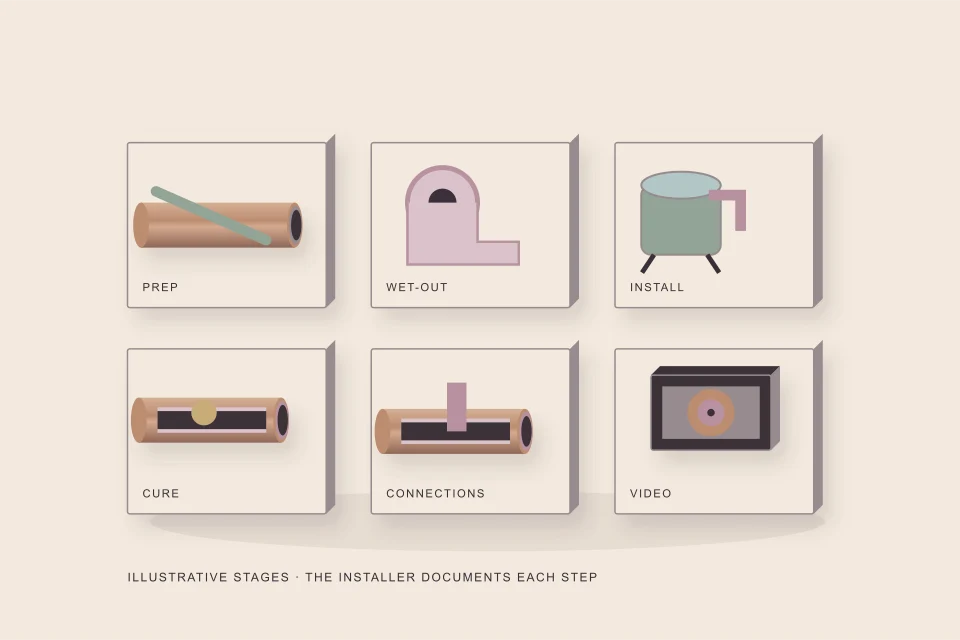
How sewer relining works, stage by stage
How sewer relining works from the first camera run to the final video: measuring, flow control, cleaning, wet-out, inversion, cure, reinstatement and records.
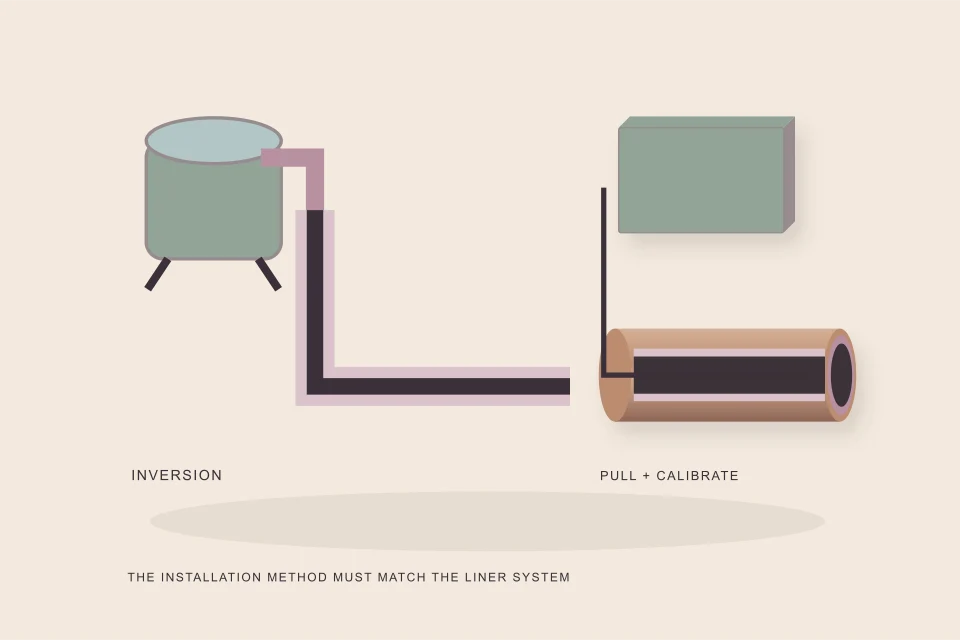
Inversion vs pull-in-place: how a liner gets into the pipe
The two ways a CIPP liner is installed: inversion by water or air pressure (ASTM F1216) and pull-in-place with a calibration hose (F1743, F2019), compared.
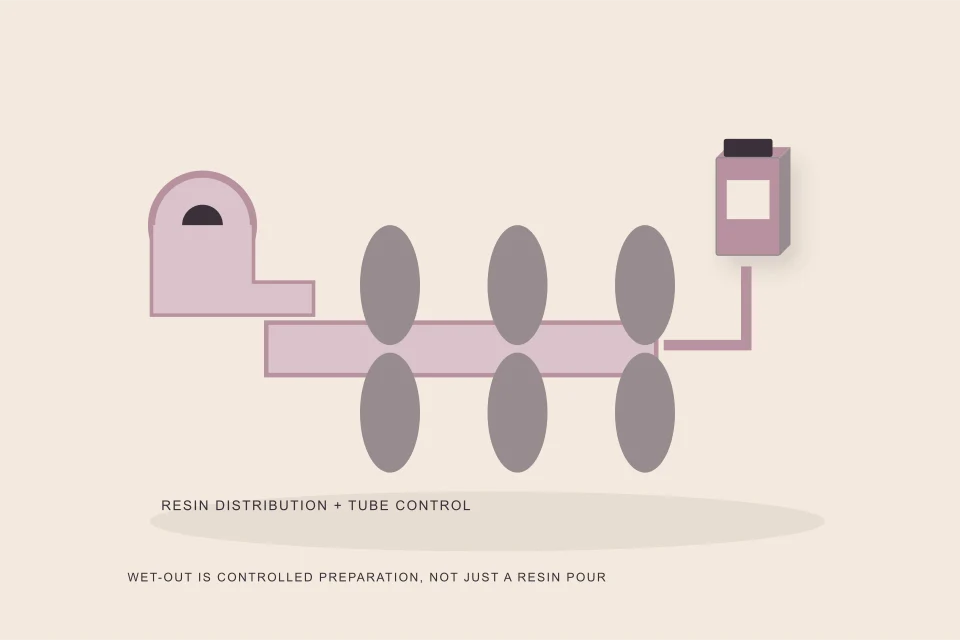
Wet-out and calibration: how a liner tube is saturated with resin
How a CIPP liner tube is wet out: resin volume, vacuum impregnation, calibration rollers, cold storage, plant or site wet-out, and the defects it causes.
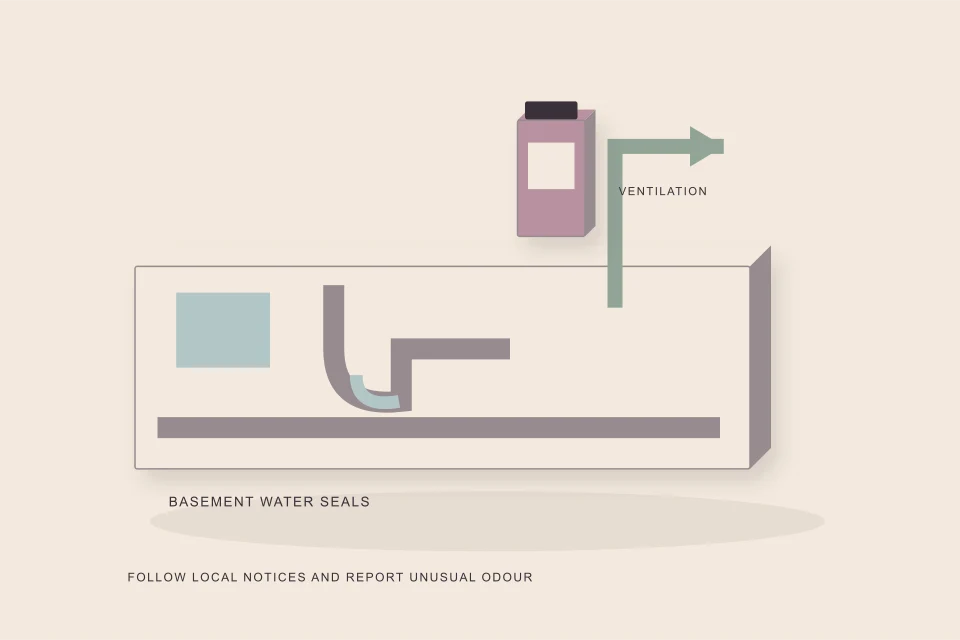
CIPP lining smell and styrene: what to know and what to do
Why sewer relining smells like plastic or glue, what styrene is, what Toronto and Calgary tell residents, what NIOSH found for workers, and how to keep odour out.
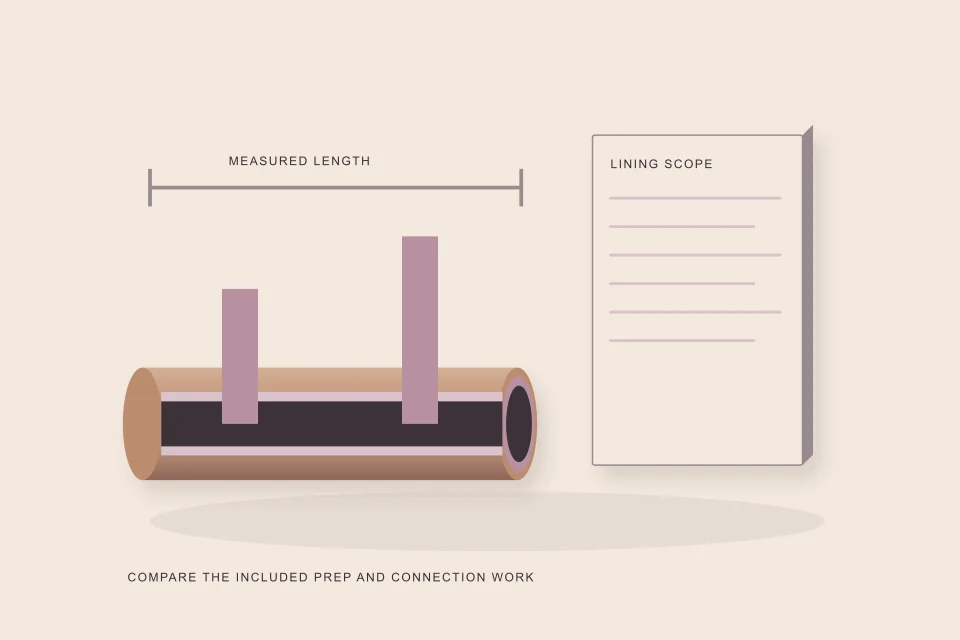
Sewer relining cost: what a CIPP liner typically quotes in 2026
Sewer relining cost in Canada for 2026: full CIPP liners per metre and per foot, cleaning, reinstatement, access, sectional liners and worked examples.
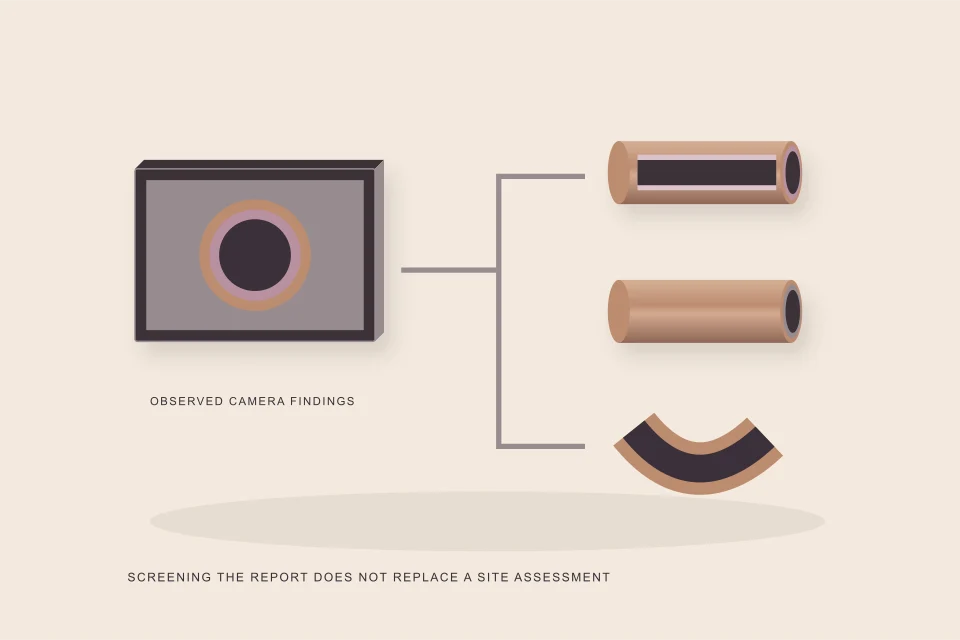
Can my sewer be relined? Screen your camera report for a liner
Answer nine questions from your sewer camera report to see whether a CIPP liner can go in, the design condition, the prep it needs and what to ask.
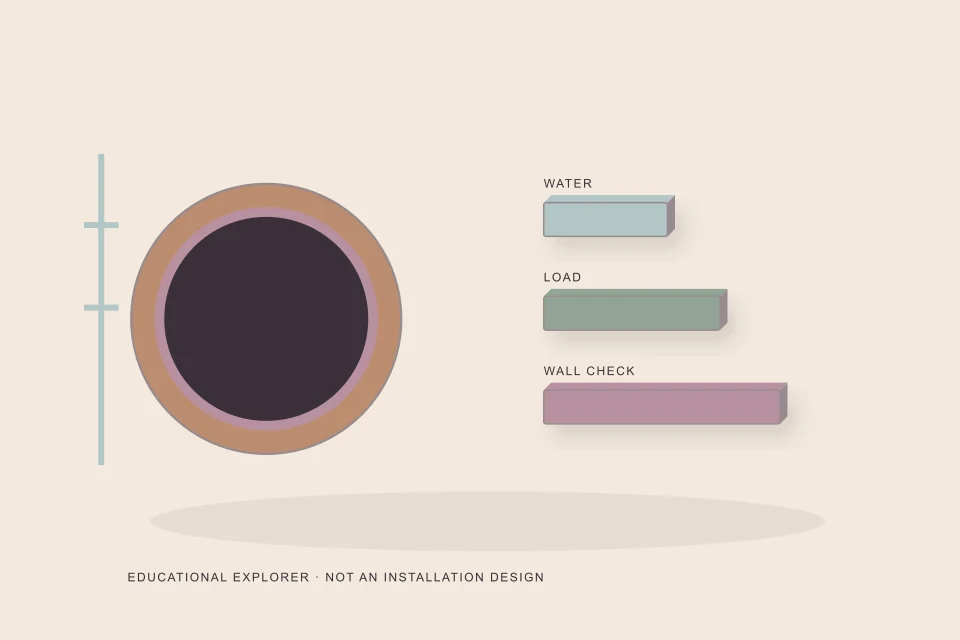
Liner Thickness Explorer: what the ASTM F1216 equations ask of a liner
See how groundwater, depth, ovality, resin stiffness and host condition set CIPP liner thickness, using the published ASTM F1216 appendix design equations.
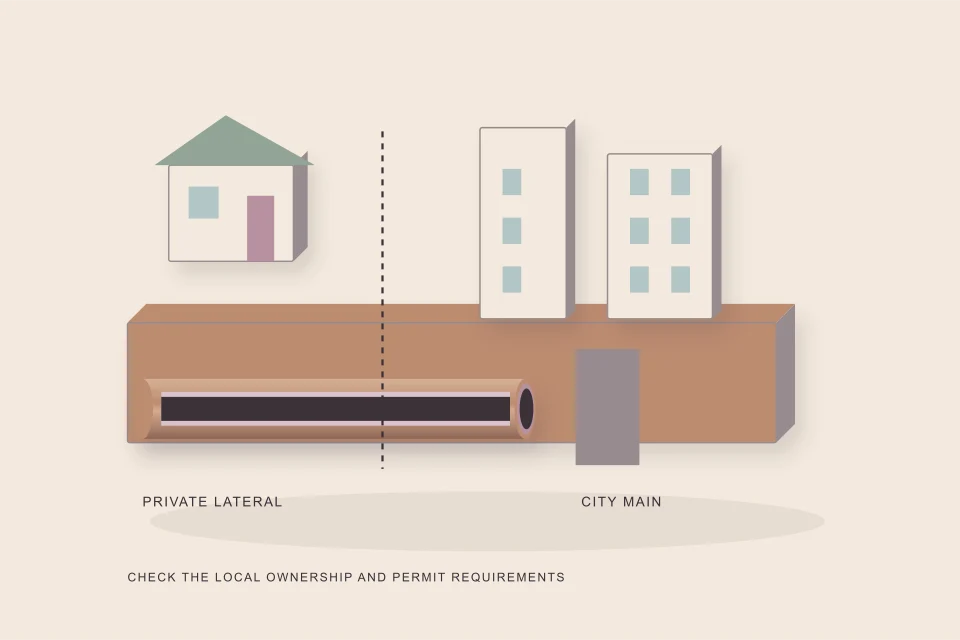
Sewer relining across Canada: city programs, ownership and winter
How sewer relining works across Canada: Calgary, Edmonton, Winnipeg and Toronto lining programs, who owns which part of the line, permits, and winter cures.
Frequently asked
Is sewer relining the same as CIPP?
Usually, yes. In Canadian and North American use, sewer relining most often means a cured-in-place liner, though the word is sometimes used loosely for other trenchless linings.
Can every sewer line be relined?
No. A liner needs a round, passable pipe and an access point, and it keeps the existing grade. Collapses, bellies and offsets the camera cannot pass are fixed another way first.
Which resin is best for a sewer liner?
There is no single best. Polyester, vinyl ester and epoxy differ in chemical resistance, handling and odour; the right one is the one the liner system was designed and tested with for your conditions.
Does relining reduce the size of the pipe?
Slightly, by twice the wall thickness. The Liner Thickness Explorer shows how much flow area is left for your inputs.
How long are drains out of use during relining?
For the installation and cure, usually part of a day on a house lateral. The installer should tell you in advance when drains can be used again.
Does HAUSE install sewer liners?
No. HAUSE is an independent information and quote-request network. It explains the method and can pass your request to contractors.
Describe the problem once. Get a straight answer.
Send the symptoms and anything you already know — age of the house, what a camera found, what you have been quoted. The HAUSE Sewer desk replies with next steps and, where available, a local contractor for the job.
Sewage backing up right now? Stop using water, keep people away from the water, and do not touch electrical equipment near it.