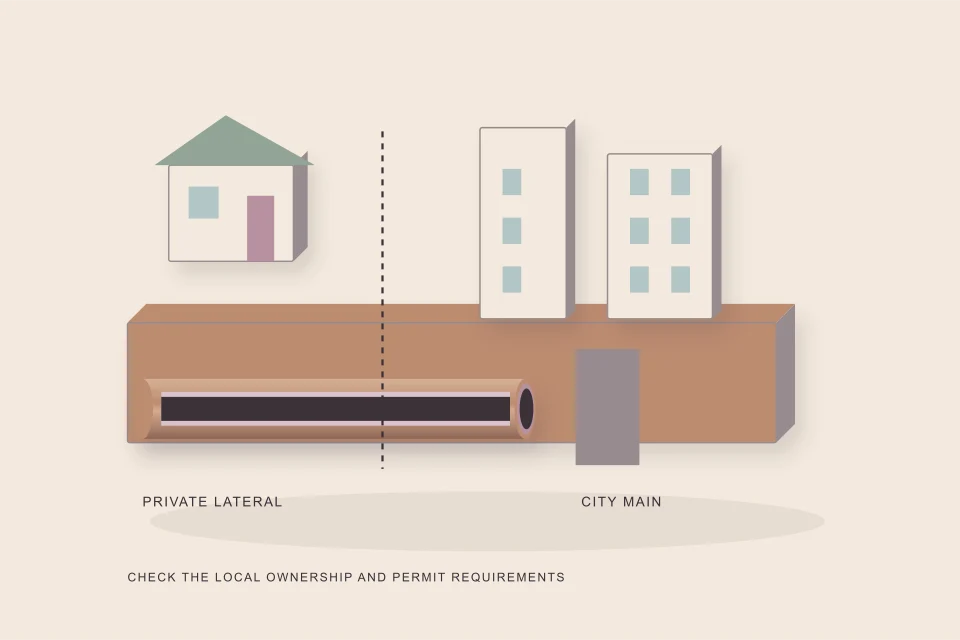
Canadian cities reline their own sewers routinely, but who owns the house connection differs. In Calgary and Edmonton the city side runs to the property line; in Winnipeg the owner’s pipe runs all the way to the main, under the street. Lining a private line may need a permit set by the province and municipality, so confirm locally. Winter slows heat and ambient cures but does not stop lining.
- Calgary’s open data lists 4,113 City-side sanitary services coded CIPP, 3,153 of them dated 2020 or later (as checked September 2026).
- EPCOR reports that about 80% of Edmonton’s drainage rehabilitation is done by relining, on the public portion only.
- In Winnipeg, owners own the sewer pipe from the house to the main, including under the street.
- Toronto publishes styrene odour guidance for residents near relining work.
- Permit and inspection rules for private lining vary; confirm with your municipality before work starts.
01 /Who owns which part of a house sewer in Canada?
It depends on the city, and it decides who pays to reline which length. The common Canadian pattern splits the service at the property line: the municipality owns and maintains the pipe from the main to the property line, and the owner owns the rest, from the property line to the house. But not every city works that way, and the details, such as who is responsible for roots from a city tree, differ too.
| City | Who owns the main-to-property-line section | Source |
|---|---|---|
| Calgary | The City; the homeowner owns property line to house | City of Calgary open data description |
| Edmonton | EPCOR rehabilitates the public portion, generally up to the property line; owners maintain the rest | EPCOR drainage rehabilitation page |
| Winnipeg | The owner: the private pipe runs from the house to the City main, including under the street | City of Winnipeg private sewer pipe page |
| Other cities | Confirm with your municipality (often 311) | Rules differ by bylaw |
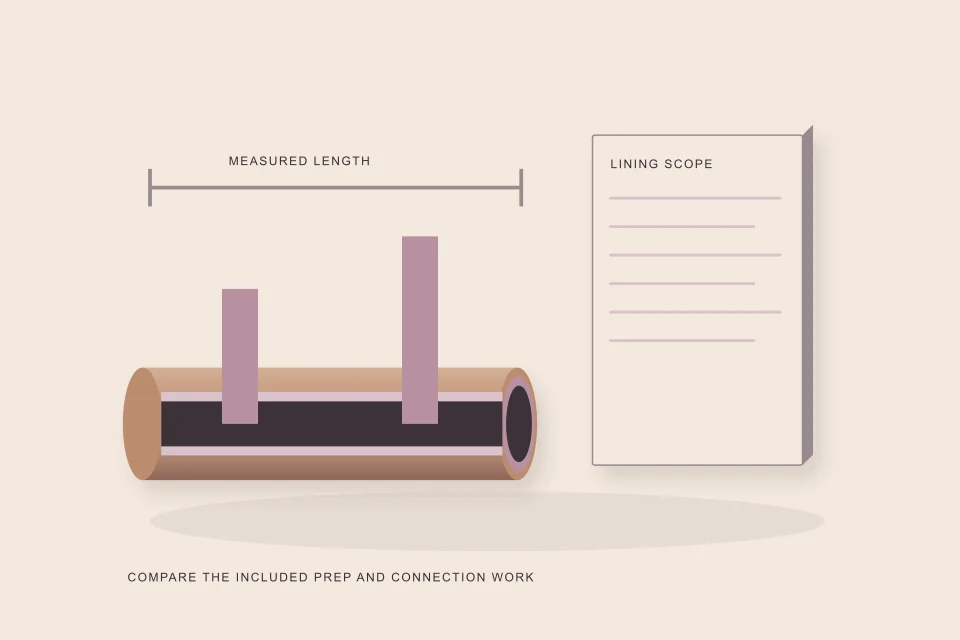
Before you pay to line any length, find out where the ownership line sits on your street and whether the city has already lined its side. A camera run from the house will show where material changes, which often marks the boundary.
02 /How does Calgary use relining?
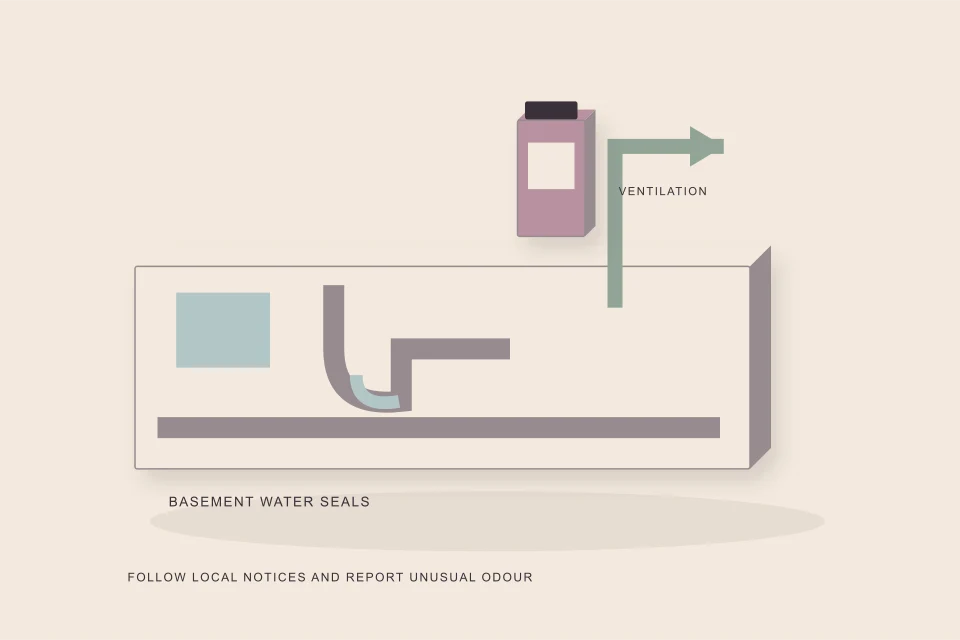
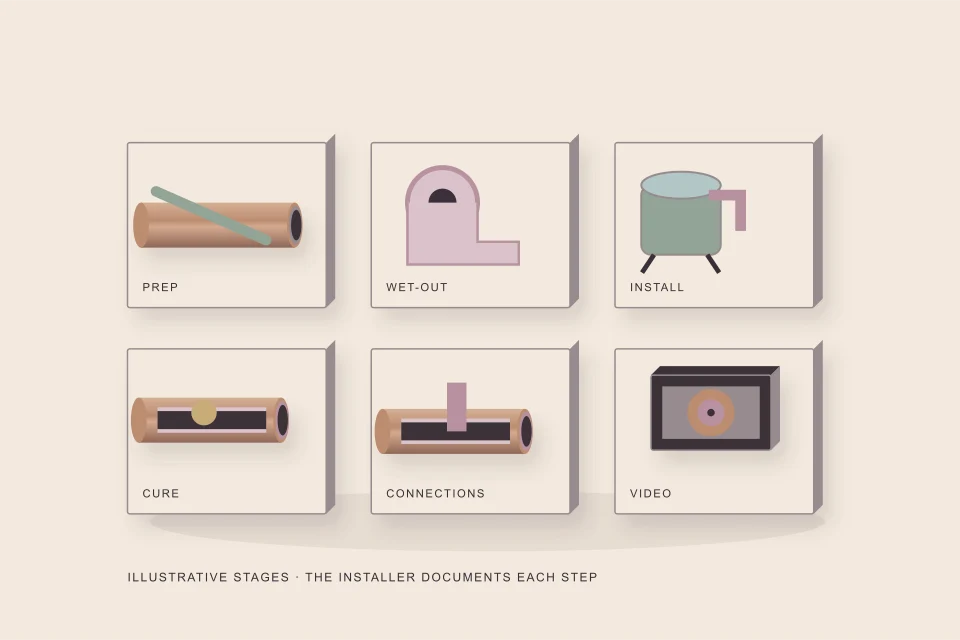
The City of Calgary runs a Sanitary Lateral Lining Program that installs liners inside existing sanitary service pipes to extend their life, working from the manholes without digging up streets and sidewalks. Its resident instructions are some of the clearest in the country: pour about four litres of water into every floor drain, laundry tub, bathtub and shower drain; do not use showers, bathtubs, dishwashers or washing machines during installation, and keep flushing to a minimum; expect a temporary smell like plastic or glue; and expect to be notified in person about 30 minutes before work begins.
Calgary’s open data on public sanitary service lines shows the scale. As queried in September 2026, the dataset holds 367,397 public-side service records, of which 4,113 are coded CIPP. Of those, 4,057 are 100 mm services, and 3,153 carry an installed date of 2020 or later. The average recorded public-side length of a CIPP-coded service is about 8.1 m. The dataset covers only the City-owned section, and the City notes that the private side can be a different material installed at a different time.
03 /How do Edmonton, Winnipeg and Toronto handle it?
Edmonton. EPCOR’s drainage neighbourhood rehabilitation describes cured-in-place relining, a sleeve inserted into broken pipes and cured to restore their structure, and states that about 80% of its rehabilitation work is completed through relining to limit disruption to pavement and landscaping. It is clear that only the public portion, generally services up to the property line, is included; owners are responsible for the system on their property.
Winnipeg. The City says it has used cured-in-place technology to renew sewer pipes for decades. For house connections the ownership is different from most cities: property owners own the sewer pipe from the house to where it connects with the City main, including the portion under the street, and must keep it in good repair. The owner’s contractor obtains the permits, and City inspectors inspect the completed work. The City describes a limited financial assistance program for single- and two-family owner-occupied homes where a private sewer failure or uncleared blockage lies under a City street; check current terms with 311.
Toronto. Toronto Public Health publishes guidance on styrene used in sewer relining: close doors and windows, pour one to two litres of water down every drain before the work, seek fresh air if the odour is strong, call 311 with CIPP questions and Toronto Public Health at 416-338-7600 with health concerns. It notes styrene usually breaks down within one to two days. More on odour is in CIPP lining smell and styrene.
04 /Do I need a permit to reline my sewer?
Possibly, and the answer is local. Plumbing permits in Canada are issued under provincial codes by municipalities or provincial authorities, and whether lining an existing private building sewer counts as work needing a permit and inspection varies. Winnipeg’s guidance, for example, makes the owner’s contractor responsible for permits and has City inspectors inspect the work. The City of Calgary states that all plumbing installations require permits, including renovation work; ask whether that applies to lining your line.
Any dig for an access pit or cleanout also needs utility locates before excavation. Confirm permit and inspection needs with your municipality, often through 311, or have the contractor show them as a line on the quote. The typical permit line on this site’s sewer relining cost page is a planning range, not a fee schedule.
05 /Does a Canadian winter affect relining?
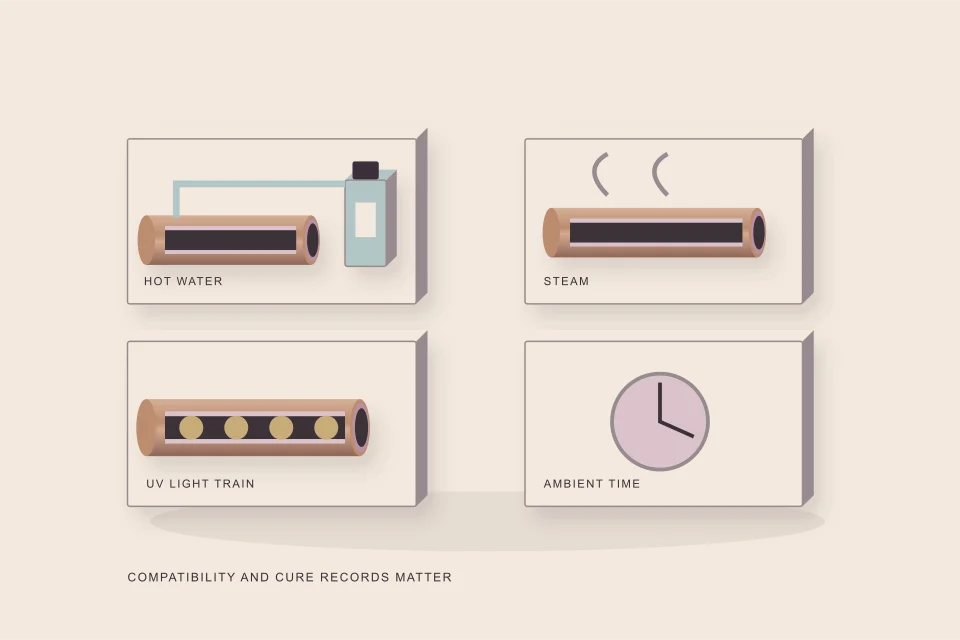
It changes how the job is done more than whether it can be done. Lining works from inside the pipe, below the frost, so it avoids much of the cost that frozen ground adds to a trench. But the cure is sensitive to temperature. A heat cure has to bring the whole liner up to temperature while cold ground draws heat away; an ambient cure in a cold pipe takes longer; resin must be kept workable in the cold rather than kept on ice. UV cures depend on the lamps rather than ground heat.
- Access pits in frozen ground cost more and may need thawing.
- Cure time can be longer for heat and ambient systems; ask how the installer allows for pipe temperature.
- Resin storage in winter is about keeping resin warm enough to wet out properly.
- Shallow lines in cold climates are colder; the camera record and depth matter.
The cure methods and their records are compared in CIPP curing methods.
06 /What should I check before relining in my city?
- Where does the city’s ownership end on my service, and has the city lined its side?
- Is a plumbing permit and inspection required for lining my private line?
- Is the city planning sewer work on my street that could be coordinated?
- Does the city offer any assistance for private sewer failures, and on what terms?
- What does the city tell residents about odour and drain traps during lining?
Then screen your camera report with Can My Sewer Be Relined?, and read how sewer relining works for the job itself. Calgary-specific repair decisions are covered on sister sites such as TrenchlessSewerRepair.ca. Wherever you are in Canada, you can send your camera report or quote to the HAUSE Sewer desk for a second look.
FAQQuestions people ask
Does the City of Calgary line sewer laterals?
It runs a Sanitary Lateral Lining Program that lines sanitary service pipes from the manholes. Its open data lists 4,113 City-side services coded CIPP as of September 2026.
Who owns the sewer under the street in Winnipeg?
The property owner. Winnipeg says owners own the sewer pipe from the house to the City main, including the portion under the street.
Does EPCOR reline private sewer lines in Edmonton?
No. EPCOR’s rehabilitation program covers the public portion, generally up to the property line; owners are responsible for the pipe on their property.
Can sewer relining be done in a Canadian winter?
Yes. Lining works below the frost from inside the pipe, though cold ground can lengthen heat and ambient cures and makes any access pit more expensive.